Thinking about selling in 100 Mile House but not sure when to list? Timing can influence how many buyers you attract, how fast you sell, and how your price stacks up against the competition. You want a clear plan that fits our Cariboo seasons and the realities of rural properties. In this guide, you’ll learn the best months to sell locally, how to plan backward from your ideal list date, and exactly what to do each week to get market-ready. Let’s dive in.
Best months to sell in 100 Mile House
Spring is typically the most active season. As the weather improves, more buyers resume their search and aim to move before summer. You often see stronger showing activity and, in some years, better list-to-sale ratios.
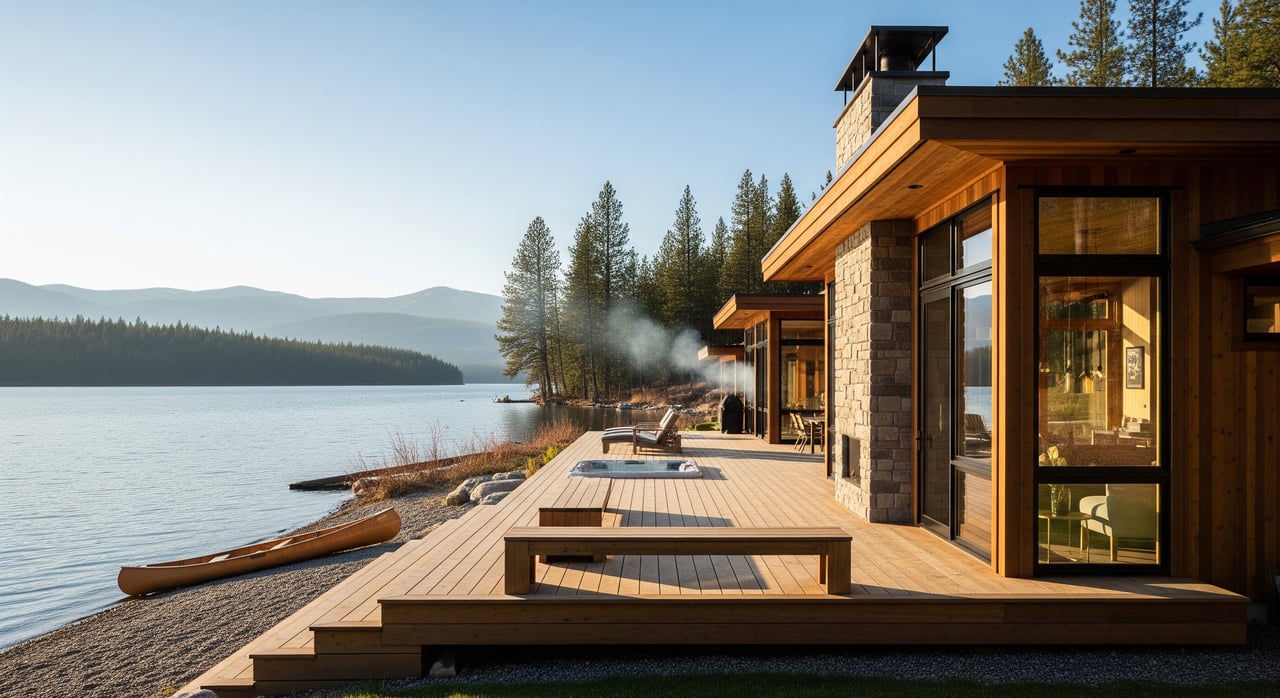
Early summer from May to July can be especially strong for recreational and rural properties. Buyers looking for cabins, lake access, or acreage want to enjoy the season and finalize plans before peak summer.
Late summer into early fall offers a second window. Some buyers who missed spring re-enter the market, and relocations can pick up once summer winds down.
Winter is slower from late November through February. You may see fewer listings and fewer buyers, but winter shoppers are often serious and motivated.
Local factors that shift timing
- Rural and recreational demand: Buyers for lakefront, cabins, and acreage often plan around seasonal access and use. Interest can build quickly as roads dry out and lakes open up.
- Employment cycles and retiree moves: Resource-sector schedules, construction seasons, and retiree timelines can affect buyer volume and price sensitivity.
- Weather and road conditions: Spring thaw, snow, and highway conditions can impact showings, inspections, and photography schedules.
- Inventory levels: Low inventory can keep competition strong in any season. A surge of listings in spring can flatten the seasonal advantage, so pricing and presentation matter.
Pick your ideal window
Use your property’s strengths to guide timing:
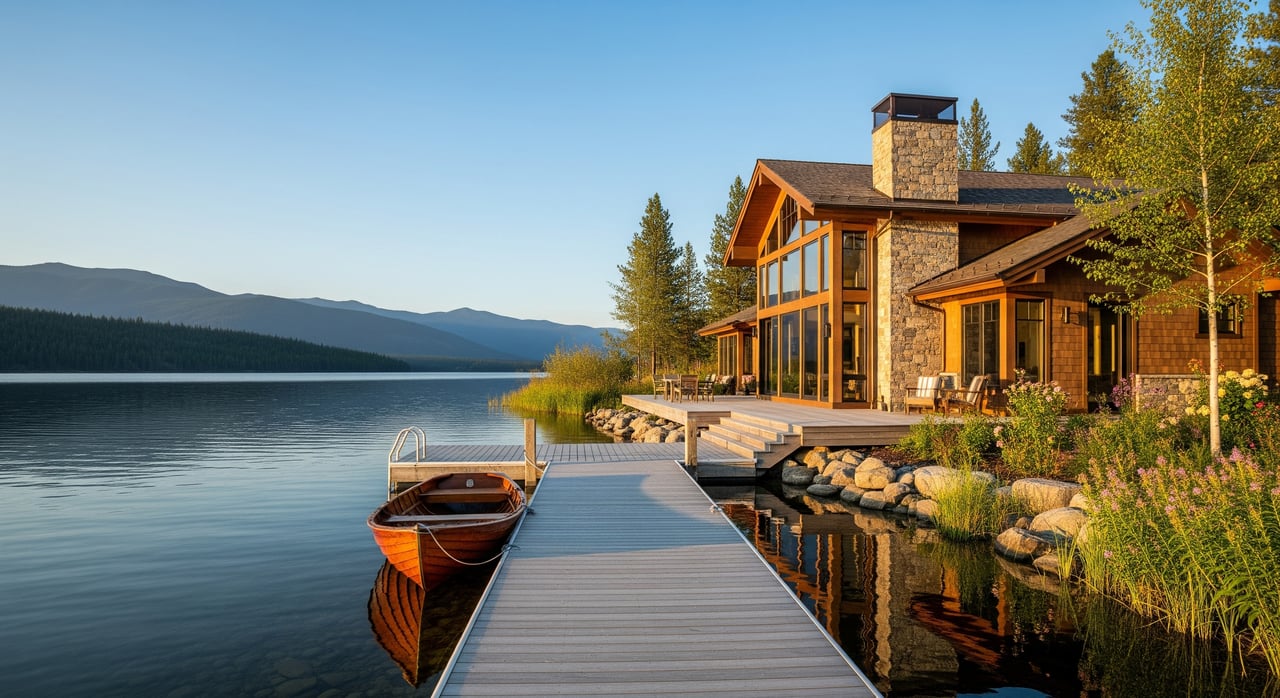
- If you have outdoor amenities or water access, early summer can showcase your yard, dock area, trails, and views at their best.
- If you have an in-town single-family home, spring often aligns with buyers who want to settle before summer and the new school year.
- If your home needs repair work, plan a longer runway. You might target late spring or early fall to avoid pressure and present your best version.
If you are aiming for the spring-summer market, start earlier than you think. For a May or June list date, plan to begin substantive prep 8 to 12 weeks ahead.
Price and competition in spring
Spring can bring more buyers, which sometimes supports stronger list-to-sale ratios. That said, the right price depends on local data, not just the season. Work with your agent to review:
- Recent closed sales and current active listings in 100 Mile House and nearby rural areas.
- Median sale price by month, days on market by month, and months of supply.
- List-to-sale ratios and how many homes sold over asking.
Pricing should reflect current supply, your property type, and the level of preparation you can complete before listing.
Plan backward from your list date
If you want to hit a May 15 list date, use this example as a starting point and adjust to your needs.
Sample 8–12 week plan
- 10–12 weeks out (late Feb to early Mar)
- Decide to sell and contact a local REALTOR for a pricing consult.
- Order BC Assessment and municipal tax information.
- 8–10 weeks out (mid to late Mar)
- Complete the comparative market analysis and pricing session.
- Order any pre-listing inspections, including septic and well if applicable.
- Create a repair plan and gather contractor bids.
- 6–8 weeks out (early to mid Apr)
- Begin repairs, touch-up paint, and decluttering.
- Start staging plans and book professional photography for early May.
- Finalize marketing strategy and showing logistics.
- 2–3 weeks out (late Apr to early May)
- Deep clean, landscape, and stage high-impact rooms.
- Execute listing photos and virtual tour.
- Prepare keys, codes, and showing instructions.
- Listing week (target May 15)
- Go live on MLS, schedule open houses, and start showings.
Lead times to expect
- Pricing consult and market research: 1 to 2 weeks.
- Home repairs and small renovations: 2 to 8 weeks, depending on scope.
- Staging, cleaning, landscaping: 1 to 3 weeks.
- Pre-listing inspections for home, septic, and well: 1 to 3 weeks including scheduling.
- Photography, drone, and virtual tour: book 1 to 2 weeks before launch.
- Listing creation and marketing setup: about 1 week.
- Buffer time: plan at least 2 extra weeks for weather, contractors, or permits.
Marketing that works here
Strong visuals and clear information help rural and recreational listings stand out. Consider the following:
- High-quality exterior and aerial photography to show lot lines, nearby water, and outdoor living areas.
- Virtual tours and floor plans for out-of-area buyers who may schedule a second trip after online previewing.
- Honest descriptions that highlight seasonal advantages like summer use, trails, and lake access, without overstating.
- Local exposure through MLS and community channels, along with regional digital outreach to relocation buyers.
Inspections, disclosures and rural systems
In British Columbia, you must disclose known material facts about the property. Pre-listing inspections can help you identify issues early, decide what to repair, and share reliable information with buyers.
For properties with septic and well systems, consider pre-list documentation. Clear records and recent service details can increase buyer confidence and reduce conditional delays.
Showings: occupied vs vacant
- Occupied homes: Keep daily readiness simple with tidy surfaces and minimal personal items. Offer flexible showing windows and consider short-term storage to declutter.
- Vacant homes: Stage key rooms, ensure utilities are on, and use a secure lockbox. In winter, keep heat on and walkways clear for safe access.
Seller readiness checklist
Use this list to streamline your prep and avoid last-minute surprises.
Should you wait for spring?
Waiting for spring does not guarantee a higher price. If spring inventory is heavy or your home needs substantial work, thoughtful pricing and preparation may have a bigger impact than timing alone. Compare potential gains against holding costs and your personal timeline.
If major repairs are needed, plan for 8 to 12 or more weeks and consider whether to sell as-is or complete upgrades first. Your agent can help you weigh buyer expectations against cost and time.
Next steps
If you want to list in spring or early summer, book your pricing consultation 6 to 8 weeks before your target date. That lead time lets you plan repairs, order inspections, secure top-notch photography, and launch with confidence.
Have questions about timing, pricing, or how to package a rural property for maximum reach? Reach out to Your Cariboo Home Team for a tailored plan and premium presentation backed by local expertise and broad exposure.
FAQs
What is the single best month to list in 100 Mile House?
- Spring into early summer, typically May through early July, often attracts the most buyers, especially for recreational and rural properties, but the best month depends on current inventory and your property type.
How far ahead should I start preparing to sell?
- Begin 8 to 12 weeks before your target list date; book your pricing consult 6 to 8 weeks out so you can schedule inspections, contractors, and photography without rushing.
Does selling in spring always mean a higher price?
- Not always; if inventory is high or your home needs work, pricing and preparation can matter more than timing. Compare potential gains to your holding costs and timeline.
Should I get a pre-listing inspection for a rural property?
- Yes, it can help identify issues early and improve buyer confidence, especially for septic and well systems; allow 1 to 3 weeks for scheduling and follow-up.
How do showings differ in winter compared to spring?
- Winter showings need cleared driveways, safe walkways, warm interiors, and good lighting. Spring showings should highlight outdoor spaces and schedule photos on favorable days.
What marketing helps most for acreage or lake homes?
- High-quality exterior and aerial photography, virtual tours, clear details on access and services, and accurate descriptions of seasonal use help attract out-of-area and lifestyle-focused buyers.