What Drives Home Prices In 100 Mile House?
December 4, 2025
December 4, 2025
Why do some homes in 100 Mile House sell quickly while others linger or see price cuts? In a small, rural market, even a few new listings or a shift in buyer activity can move prices more than you might expect. If you are planning to buy or sell, it helps to know exactly what pushes values up or down here. In this guide, you will learn the local factors that drive home prices and how to read the market with confidence. Let’s dive in.
Prices in 100 Mile House respond most to inventory, which is the number of homes for sale, and how fast they sell. When inventory stays low and buyers remain active, prices tend to rise. When inventory builds or days on market increase, prices often soften.
Because 100 Mile House is a small market, modest changes can create big swings. A handful of new listings, a few quick sales, or one withdrawn property can change the balance fast. If you watch inventory, new listings, and the pace of sales, you will see price pressure before it shows up in headlines.
Seasonal patterns matter here. Spring and early summer usually bring more listings and more buyers who want to move before fall. Summer often boosts interest in recreational properties, especially lakefront and acreage, since second-home buyers are out viewing and the weather makes land easier to assess. Winter tends to be quieter, but buyers who stay active can be highly motivated and ready to move quickly.
If you are selling a recreational cabin or waterfront property, summer can bring more showings and stronger interest. If you are buying a town home for a primary residence, winter may offer a little more room to negotiate, depending on inventory.
Not all homes in the South Cariboo behave the same. Prices move differently across town homes, acreage, and waterfront. Compare like with like to avoid confusion.
These appeal to local workers, retirees, first-time buyers, and downsizers. Prices tend to reflect proximity to services like healthcare, grocery stores, and schools, plus road access, lot size, and condition. If you want convenience and lower carrying costs, this segment can offer value, especially if inventory rises during the spring listing season.
This is a lifestyle market for hobby farmers, buyers seeking privacy, and remote workers. Buyers focus on the value of usable land, not only the price per acre. Cleared pasture, fencing, and easy year-round access can command premiums. Other price drivers include zoning, the condition of outbuildings, and access to power and reliable internet.
If you are selling acreage, highlight what is genuinely usable and how the property functions throughout the seasons. If you are buying, budget for road maintenance and confirm legal access, utilities, and permitted uses.
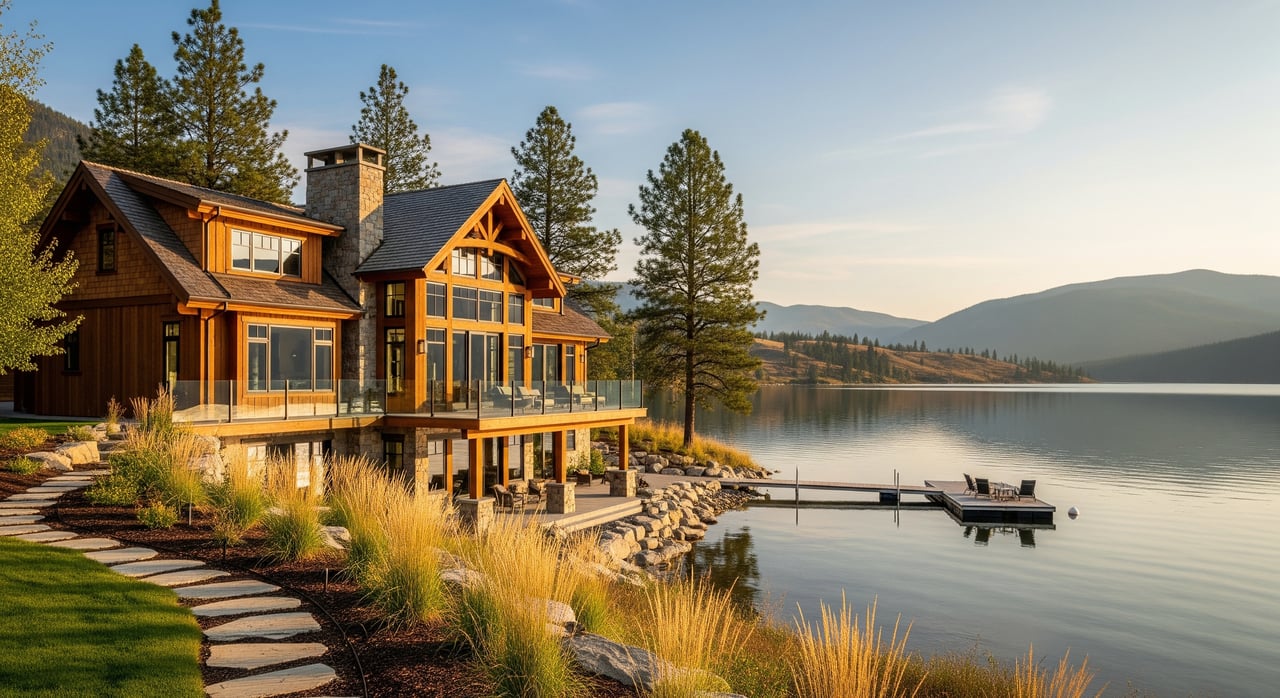
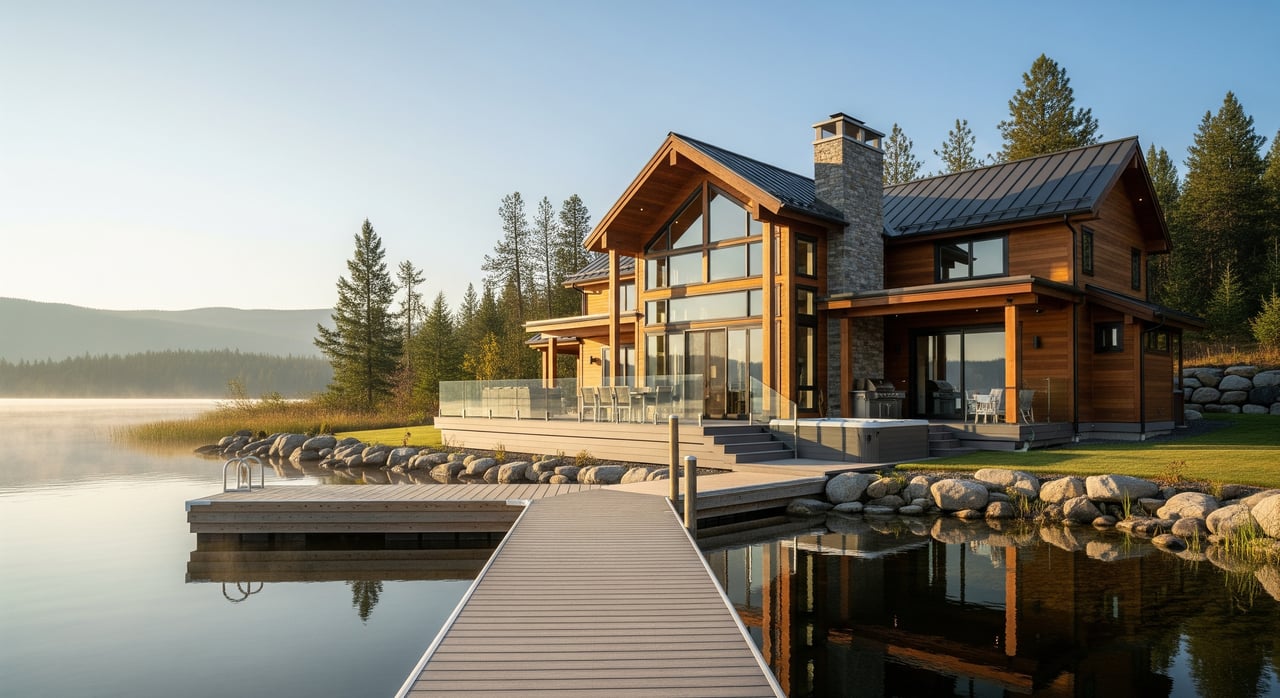
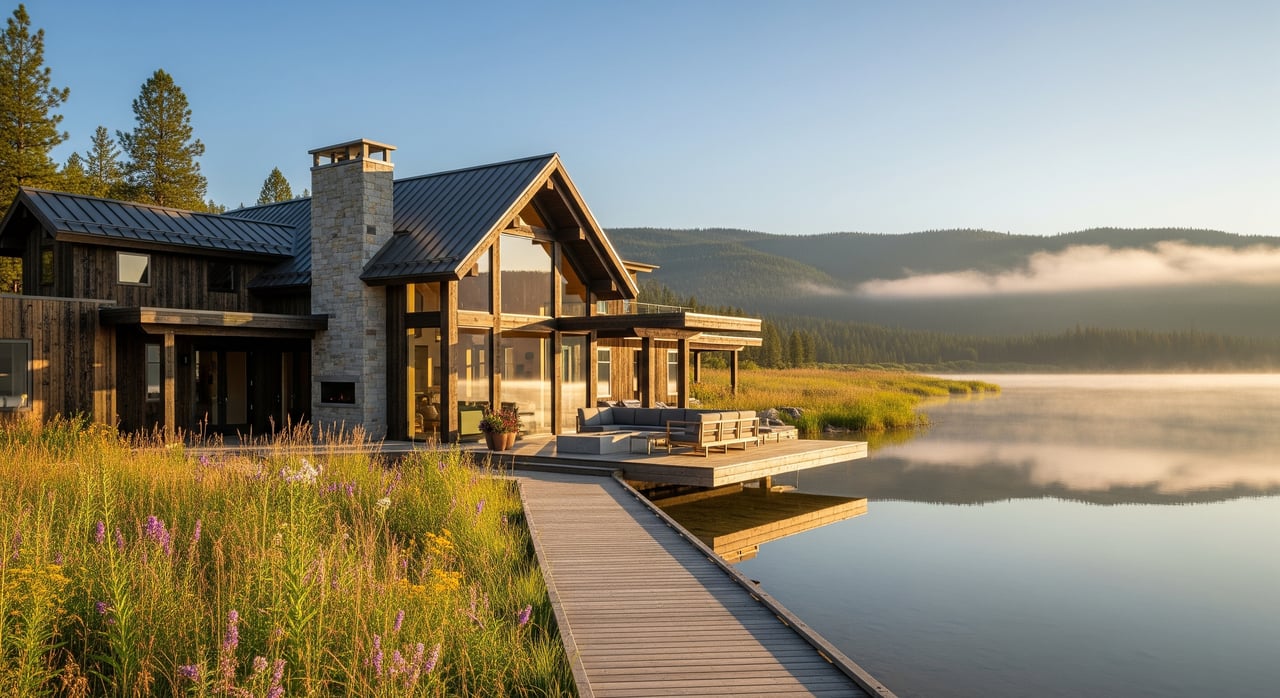
Waterfront can carry a wide premium. What matters most is the length of frontage, privacy, lake quality and clarity, dock rights, and whether access is year-round. Setbacks, riparian rules, and foreshore ownership can shape how you use the shore. Buyers also weigh flood or erosion risk and the added maintenance that comes with lakeside living.
Inventory here is thin, so a few listings can shift prices quickly. If you are shopping for lakefront, plan for due diligence on shoreline rights and structures. If you are selling, gather documents early so buyers can move forward with confidence.
Cabins that are not winterized or lack septic and insulation usually sell for less than fully equipped homes. In summer, cabin demand can be strong as seasonal buyers visit. In winter, these properties may see fewer showings, but motivated buyers who are ready to close can still make the season work for you.
Condition is often the tie-breaker. Age, maintenance history, and the state of major systems can shift value and time on market.
Local supply and demand drive most price moves, but broader factors can influence sentiment and affordability.
Mortgage rates shape what buyers can afford. Rate increases reduce purchasing power and can cool prices, while reductions often stimulate activity. In a small market, rate changes can have outsized effects because there are fewer buyers overall.
Health care, retail, forestry and agriculture, tourism, and government jobs support the area. Aging populations can increase demand for smaller, low-maintenance homes. Remote workers and retirees are drawn to lifestyle features like acreage or waterfront, which can lift demand in those segments.
Provincial transfer taxes, municipal bylaws, and zoning rules shape both demand and supply. Development costs and timelines affect the feasibility of new subdivisions, which can limit new inventory and support prices over time.
Wildfire risk is a known concern in the Cariboo. Perceived risk and insurance costs can weigh on values for some properties. Waterfront homes may face flood or erosion considerations and foreshore issues. Always verify shoreline rights and setbacks before you commit.
Internet and cell coverage matter more each year, especially for remote workers. For full-time residents, proximity to 100 Mile House services can support pricing. If a rural property has strong connectivity, it can capture a wider buyer pool.
You will see national news about rates and home prices. Use this framework to translate that into local action:
Separate macro from micro. National headlines guide sentiment, but local inventory shifts drive your result in 100 Mile House.
Focus on months of inventory and days on market. These reveal market balance better than a single median price.
Segment by property type. Compare town to town, acreage to acreage, and waterfront to waterfront.
Factor in condition and carrying costs. Heating, septic and well, and road maintenance costs matter as much as list price.
Watch for one-off sales. A single large acreage or a rare waterfront sale can skew monthly metrics.
Ground your plan in recent solds. Look at the last 3 to 6 months of truly comparable homes for the clearest pricing picture.
Define your must-haves: land utility, access, internet, and seasonal needs.
Budget for due diligence: general inspection, septic inspection, and well flow and quality test. For waterfront, plan for a shoreline or erosion review.
Compare carrying costs: heat source, fuel, and any road maintenance obligations.
Watch inventory trends weekly. Move fast when the right fit appears in a low-supply segment.
A smart move in 100 Mile House starts with a clear read on inventory, seasonality, and your specific micro-market. Whether you want a walkable town home, a hobby acreage, or a lakefront retreat, the right pricing and offer strategy depends on current supply, property condition, and how buyers behave this season. If you want a tailored plan and recent solds that match your goals, we are here to help.
Connect with Your Cariboo Home Team for local guidance and a strategy that fits your timeline and budget. Let’s find your Cariboo home.


With Your Cariboo Home Team, you get more than a transaction. You get local expertise, honest advice, and real people who genuinely care — today, tomorrow, and ten years from now.
Get In Touch With Our Team To Learn More

96 Cariboo Hwy 100 Mile House, British Columbia V0K 2E0, Canada