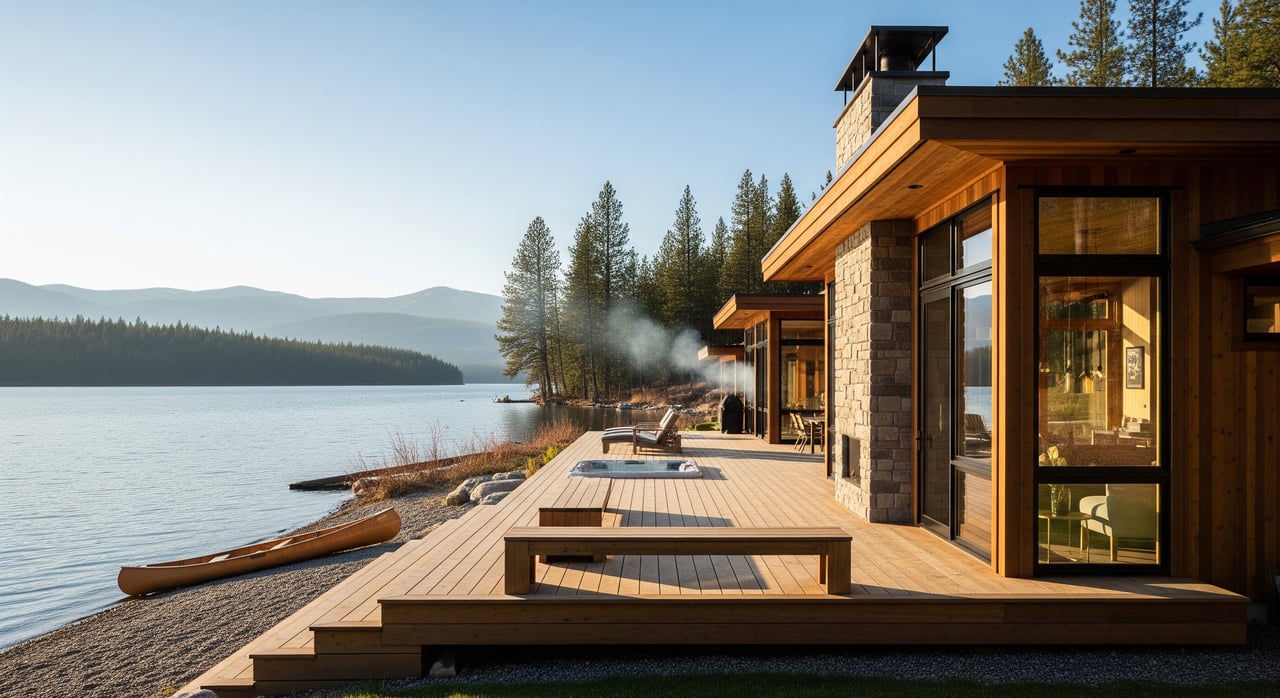
What It’s Like To Live In 100 Mile House Year-Round
February 5, 2026
February 5, 2026
What if your backyard was a lake, your commute was along a quiet highway, and your weekends were built around the seasons? If you are considering a change of pace, 100 Mile House offers a small-town rhythm with big outdoor access. You want clear, practical insight before making a move. This guide walks you through daily life across all four seasons, local services, housing types, and what to plan for in the South Cariboo. Let’s dive in.
100 Mile House sits on Highway 97 in the South Cariboo plateau of central British Columbia. The town serves nearby ranches, lake communities and rural properties. Inside town limits you will find a close-knit community, while the wider area includes many seasonal and rural residents.
Road access is your main connection. Most residents drive to Kamloops or Williams Lake for larger centers and specialty services. There is no major passenger rail or large commercial airport in town. The Town of 100 Mile House is within the Cariboo Regional District, so municipal services apply in town and regional rules cover rural properties.
Expect regular snow cover, frozen small lakes and cold nights from late November through March. Winter brings cross-country skiing, snowmobiling, ice fishing and hockey at the arena and community rinks. Daily life means reliable heat, snow removal and winter-ready vehicles.
Plan on winter tires and a well-stocked vehicle for highway trips. Many homes use natural gas, propane, electric heat or wood stoves. Keeping walkways clear and staying on top of driveway plowing become part of your weekly routine.
April through June brings thaw, rising water in ditches and variable backroad conditions. Lakes open up, birds return and lawns green quickly. Gardeners start planning beds as the ground warms. Some years can be buggy around lowlands and lakes, so screens and a good bug spray help.
July through September often means warm, sunny days and cool nights. You will see boats on nearby lakes, busy trailheads, and farmers’ markets in town. Hiking, mountain biking, paddling and family time around the firepit are part of the rhythm.
Summer is also wildfire season across much of BC. Smoke and evacuation alerts are possible in some years. Keep an eye on local advisories and have a plan for pets and medications. Many residents keep air purifiers on hand for smoky stretches.
By October, days turn crisp and aspen and birch colour the hillsides. Anglers squeeze in late-season trips and hunters head out as seasons open. Around the house, you will see people stacking wood, servicing furnaces and checking gutters before snow returns.
100 Mile District General Hospital provides emergency and primary care typical of small BC towns. Routine care is available locally. For specialists and major procedures, expect to travel to regional hospitals in larger centers. Interior Health is the regional health authority.
Public schools operate under School District 27 Cariboo-Chilcotin. Town and rural catchment areas are served by local elementary and secondary schools, and school buses run to rural properties. There are no large post-secondary campuses in town. Trades and adult learning are available locally in limited formats or in nearby cities.
As a service hub, 100 Mile House offers grocery stores, hardware, automotive services, banks, pharmacies and essential retail. Outfitters, tackle shops and trades support the outdoor lifestyle and property maintenance. For specialty shopping and some services, you will likely plan trips to larger centers.
Properties in town typically have municipal water and sewer. Rural homes often rely on wells and septic systems. Heating varies, and many properties include wood stoves or propane systems. Internet and cell service are available in town through major providers, but speeds and reliability can vary in rural pockets. Check service at the specific address before you buy.
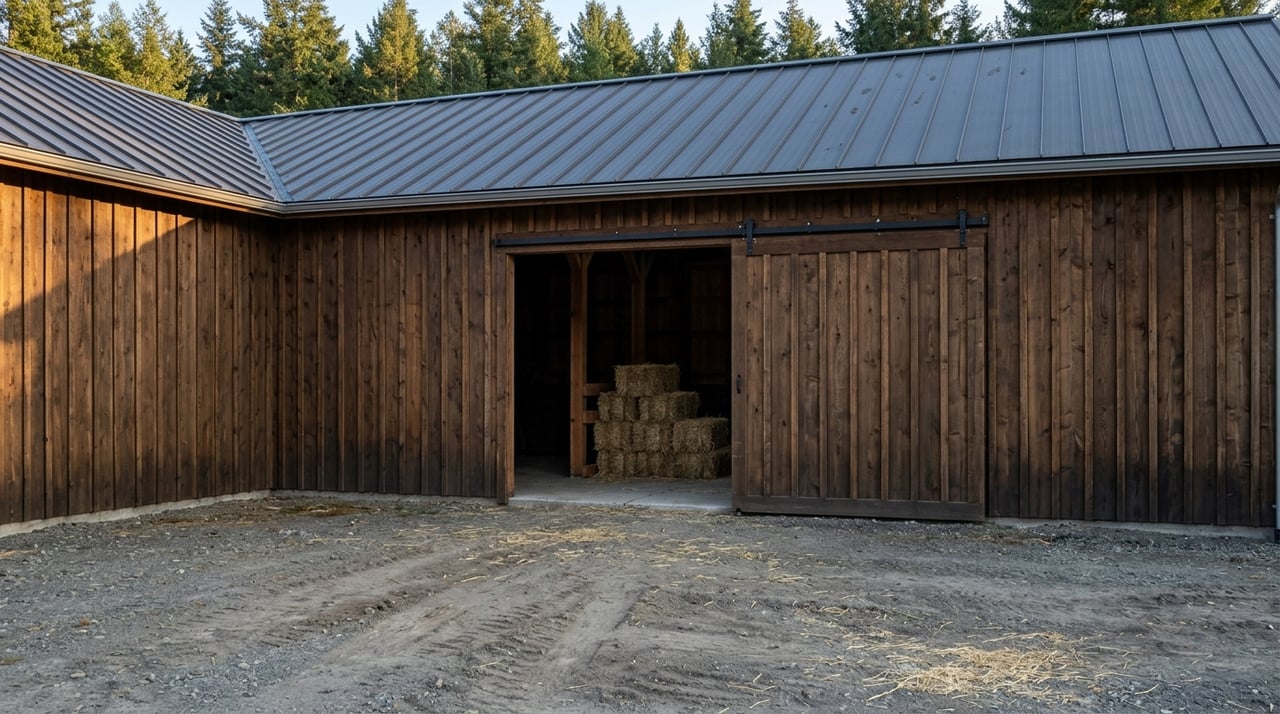
You will find a mix of single-family homes, modular and mobile homes, lakeside cabins, acreages and ranch properties. Many lots are larger than urban standards, and there is an array of waterfront and semi-waterfront opportunities in the wider area. The market is smaller than large cities, and inventory can shift seasonally, especially around recreational lakes.
When you evaluate a property, focus on practical fit:
If you are comparing homes in town with acreages nearby, remember that services and maintenance commitments differ. Town properties benefit from municipal water and sewer, while rural properties offer space and privacy with more owner responsibility.
A personal vehicle is essential for most residents. Local public transit is limited, and inter-city bus service along Highway 97 operates on a limited schedule. Winter road maintenance is a priority on Highway 97, but conditions change quickly in storms. Many people choose an all-wheel-drive or 4x4 vehicle with good winter tires to handle rural roads and shoulder seasons.
The South Cariboo’s identity is built around lakes, forests and trails. In summer, you will see paddlers, anglers and families on docks. In winter, you will find groomed cross-country ski trails, snowmobile routes, curling leagues and a busy arena. Golf, hiking, horseback riding and biking round out the active calendar.
Community life leans into local traditions. Expect farmers’ markets, seasonal fairs, rodeos, sports tournaments and arts events. Service clubs, seniors’ organizations and volunteer-run programs are common and help newcomers connect quickly. Many events depend on volunteers, so pitching in is a great way to meet people.
The Cariboo is within the traditional territories of Indigenous peoples of the Interior. Nearby First Nations communities and ongoing stewardship shape the region’s past and present. As you explore, be mindful of local history, protocols and land use guidelines.
If you value space, quiet nights and easy access to lakes and trails, you will fit right in. Families appreciate the tight-knit feel and practical services. Retirees enjoy a slower pace and outdoor routines. Remote workers who can handle variable rural connectivity often find the balance they want. Nightlife is limited compared to cities, and you should expect to drive for some specialist services and shopping. For many, those tradeoffs are worth the lifestyle.
Life in 100 Mile House is about seasons, neighbors and the land around you. You trade crowds and long commutes for lake mornings, clear starry nights and a community that shows up when it counts. If that sounds like your kind of rhythm, the South Cariboo offers room to grow, whether you want a home in town, a lake cabin or a small acreage.
If you want help narrowing neighborhoods, understanding rural utilities or comparing lake communities, reach out to Your Cariboo Home Team. We pair local know-how with attentive service so you can move forward with confidence.
With Your Cariboo Home Team, you get more than a transaction. You get local expertise, honest advice, and real people who genuinely care — today, tomorrow, and ten years from now.
Get In Touch With Our Team To Learn More
96 Cariboo Hwy 100 Mile House, British Columbia V0K 2E0, Canada