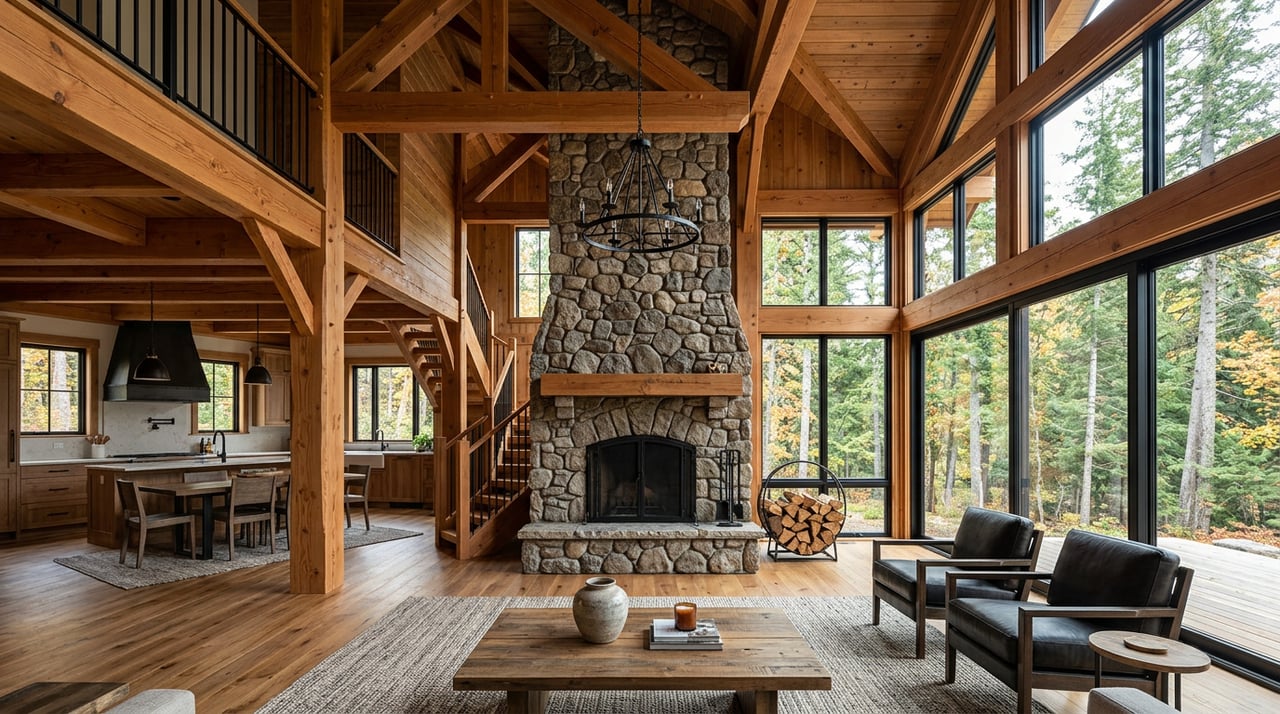
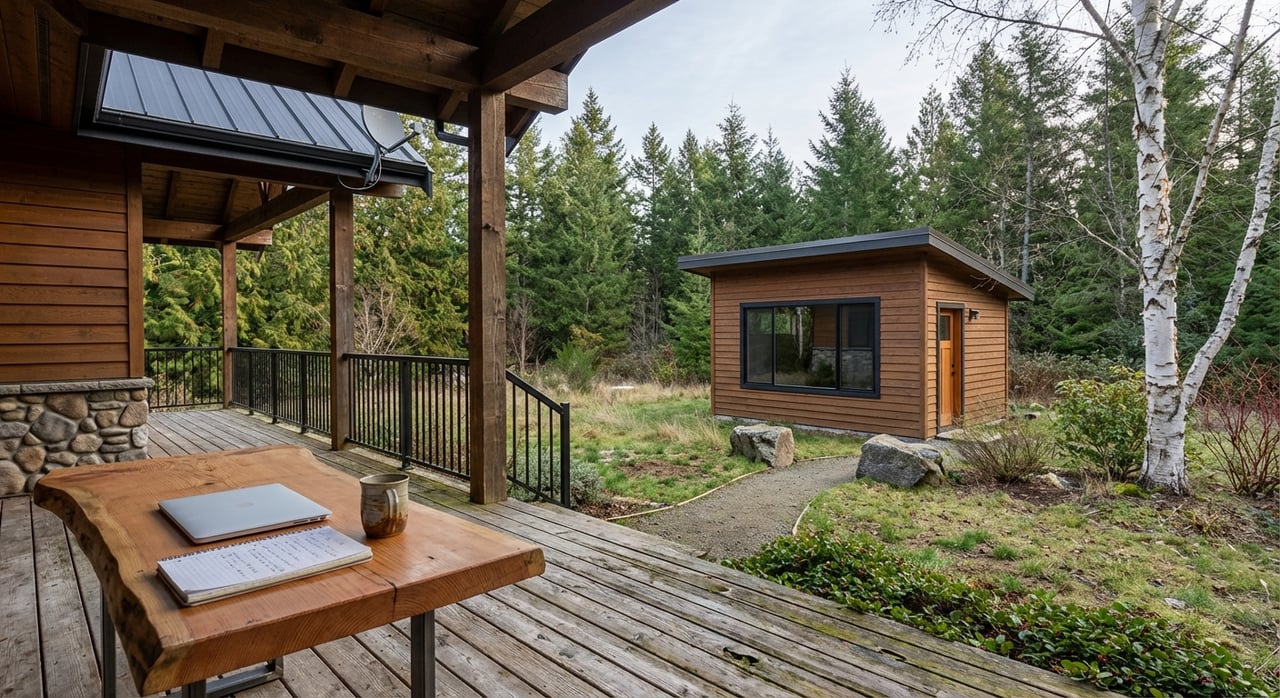
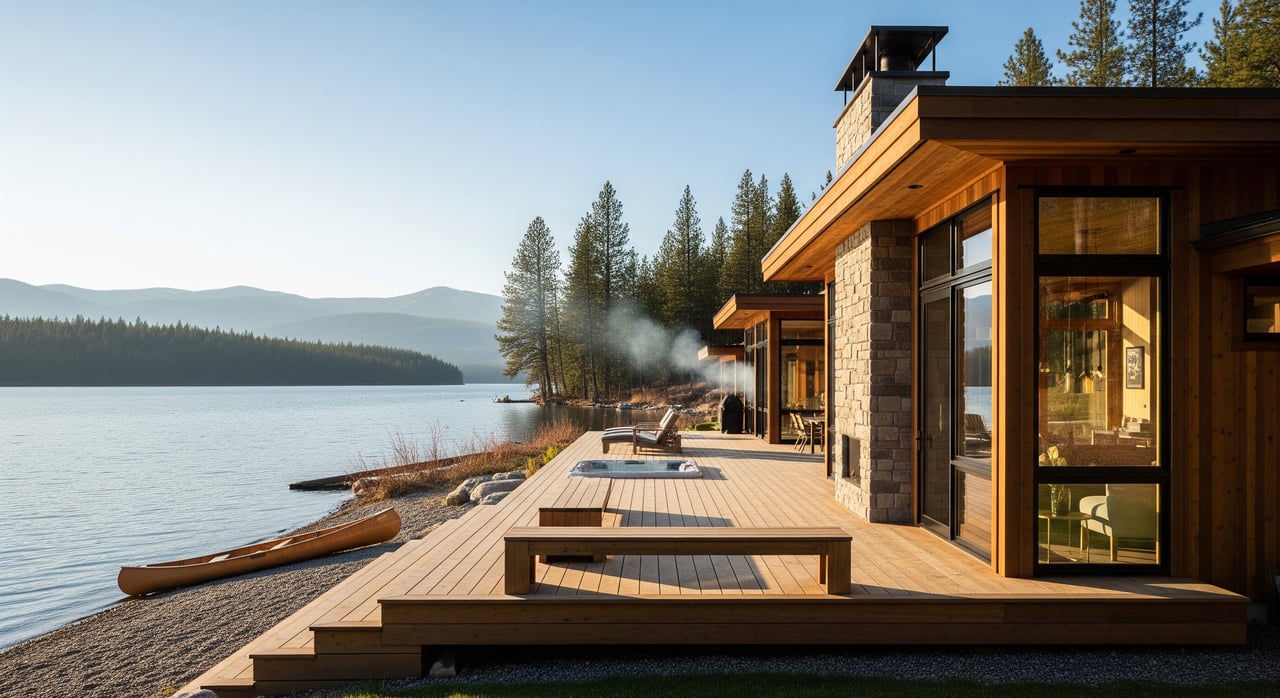
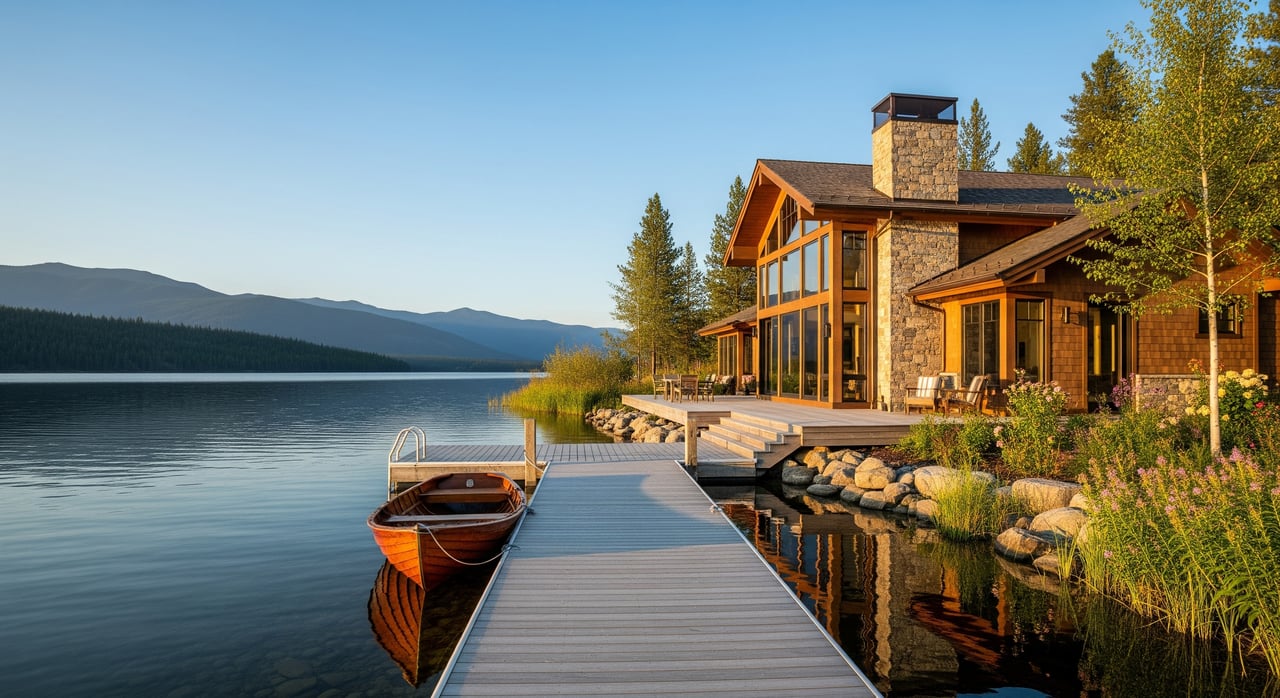
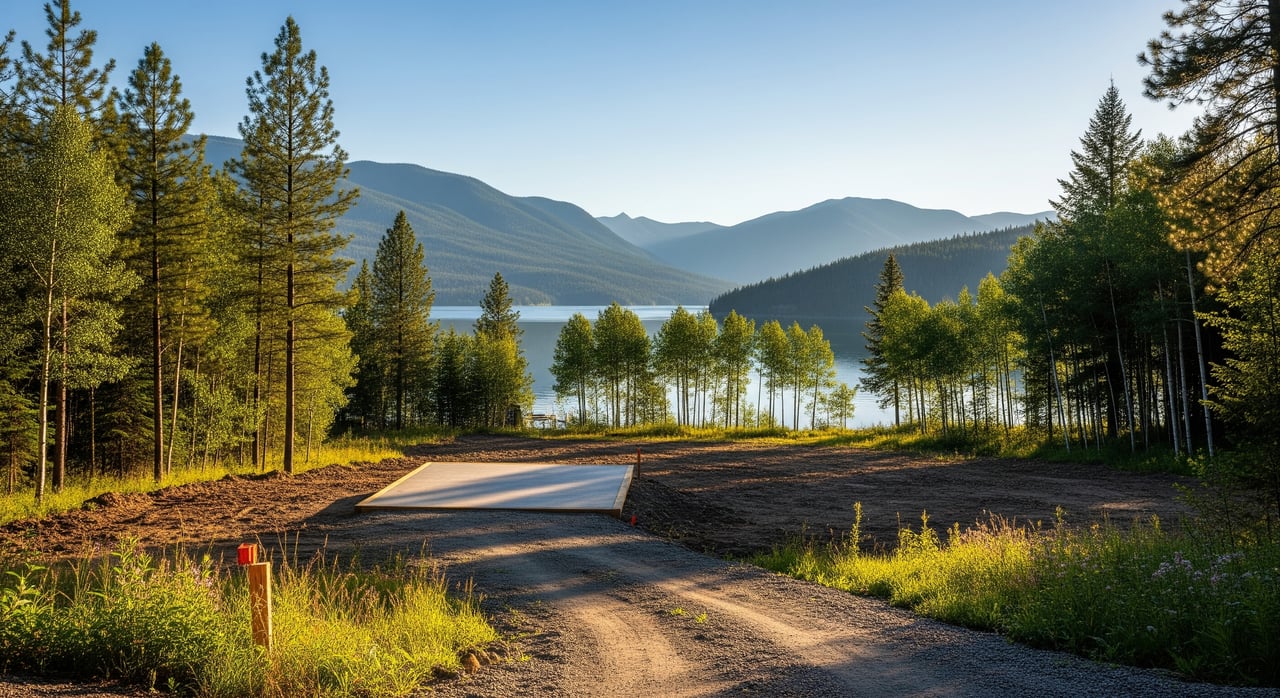
Wondering which 100 Mile House property type fits your life best? Maybe you want an easy in-town rancher, room for a shop on a hobby acreage, or a quiet lakefront getaway. However you picture the Cariboo, you have solid options in and around the District of 100 Mile House.
In this guide, you’ll get a clear look at the main property types, where you’ll find them, typical lot sizes, key zoning rules, and practical tips on services and safety. You’ll also learn how to match areas to your lifestyle and budget. Let’s dive in.
Why 100 Mile House stands out
100 Mile House is the service center for the South Cariboo. The District itself has about 1,900 residents, with a much larger rural trade area around it. Distances to bigger centers are significant, which helps keep local housing more affordable than many urban markets. A regional study also notes an older housing stock, limited rental supply, and a shortage of building trades, which can affect renovation timelines and project costs. You can find these community insights in the South Cariboo Housing Needs Assessment from the District’s website. The regional housing study documents price pressure and affordability concerns for some households.
Property types at a glance
In-town single-family houses
- What they are: Detached homes on small to moderate lots inside the District boundary. These are typically zoned Residential Low Density (R-1) or Residential Duplex (R-2).
- Where you’ll find them: Streets near downtown and established neighborhoods, close to shops and services.
- Who they suit: Anyone who wants walkable access, shorter drives, and simpler servicing compared to rural parcels.
Small-lot and bareland strata homes
- What they are: Compact detached homes on fee-simple small lots or in bareland-strata settings, often zoned Residential Small Lot (R-3).
- Where you’ll find them: Newer infill areas and edges of town where small-lot subdivisions are planned.
- Who they suit: First-time buyers, downsizers, and buyers seeking lower-maintenance living with a smaller footprint.
Townhouses and apartments
- What they are: Multi-unit projects under Residential Medium Density (R-4) or Residential High Density (R-5). R-5 focuses on downtown locations with strong pedestrian access.
- Where you’ll find them: Downtown and designated higher-density nodes. The District is actively reviewing growth areas in its planning work. See the OCP and zoning update page for context on where medium and high density may be encouraged.
- Who they suit: Buyers or renters seeking low-maintenance living and proximity to services.
Manufactured homes and mobile-home parks
- What they are: Manufactured homes on private lots or homes in mobile-home parks (R-6). The zoning bylaw defines minimum site sizes and park standards.
- Where you’ll find them: Scattered within and around town, plus designated park communities.
- Who they suit: Value-focused buyers, those wanting single-floor living, or people seeking a lower purchase price.
Small holdings and country residential acreages
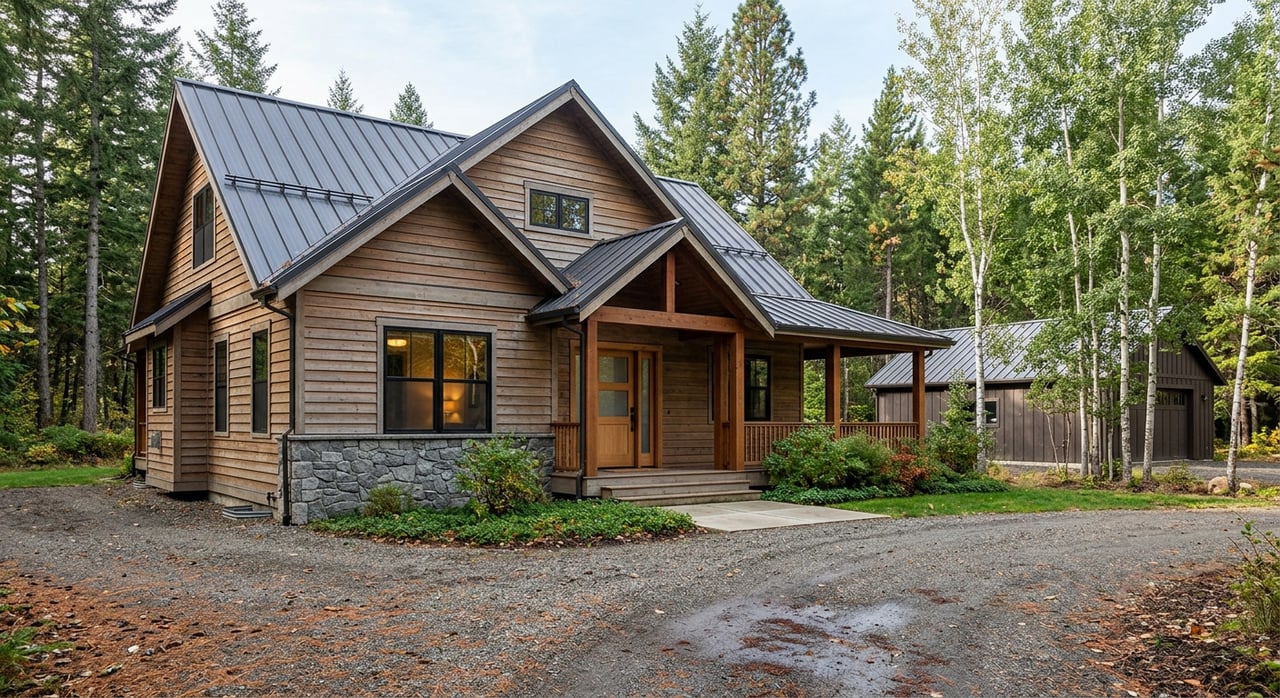
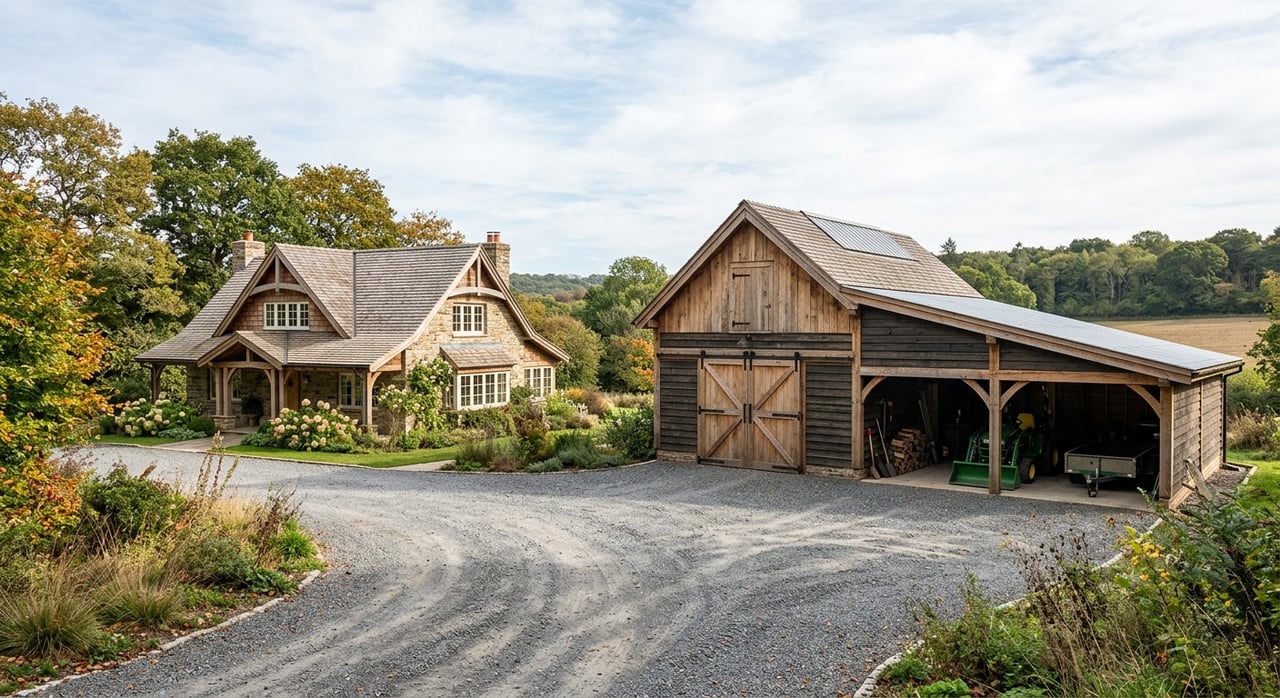
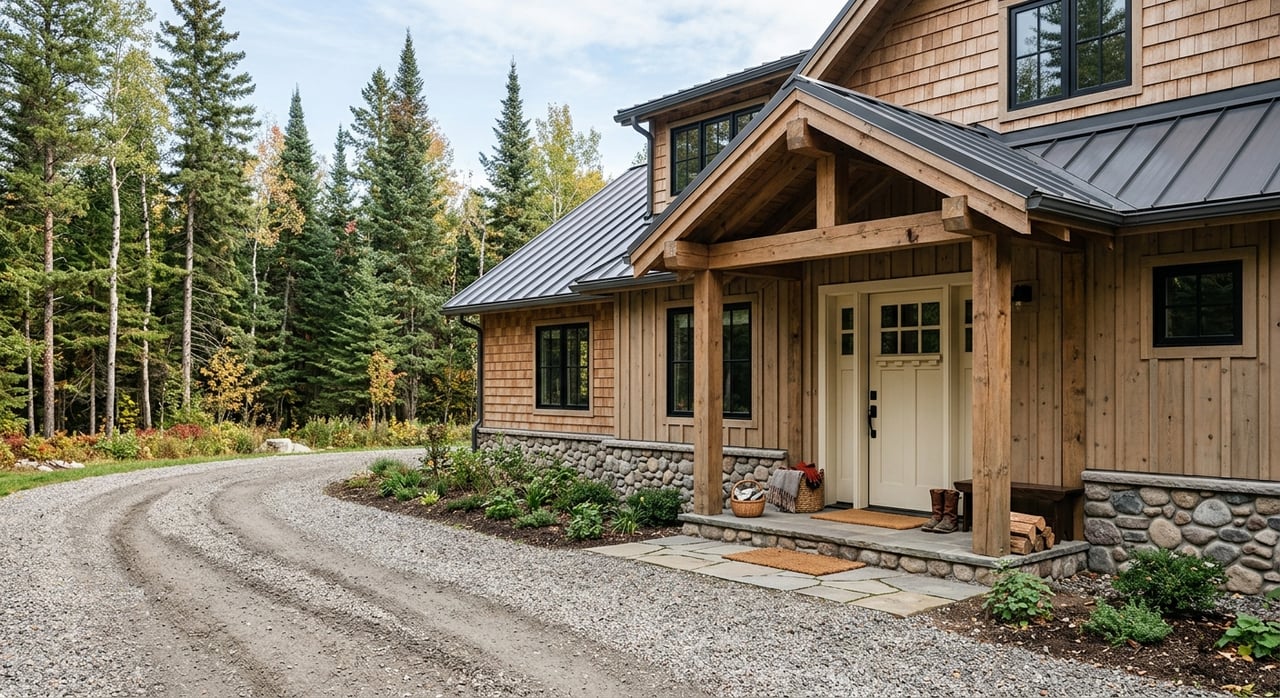
- What they are: Rural residential lots with more elbow room, often several acres, commonly in Small Holdings (A-2) or Country Residential (ER-1 or ER-2) zones.
- Where you’ll find them: Around the town edge and nearby lakes and corridors such as Horse Lake, Green Lake, and toward the Interlakes. The 103 to 108 Mile areas nearby are popular for larger lots and a semi-rural feel.
- Who they suit: Buyers who want space for animals, a workshop, gardens, or privacy.
Working farms and ALR properties
- What they are: Agricultural parcels in the Agricultural (A-1) zone, often within the provincial Agricultural Land Reserve. The ALR prioritizes farm uses and limits many non-farm uses or subdivisions without approval.
- Where you’ll find them: Larger parcels outside the compact town grid.
- Who they suit: Commercial farmers and serious hobby farmers ready to work within ALR rules. Learn how the ALR affects planning and approvals through the Cariboo Regional District planning pages.
Recreational cabins and lakefront homes
- What they are: Seasonal cabins and year-round lake homes across the South Cariboo. Waterfront commands a premium because of access and views.
- Where you’ll find them: 103 Mile Lake, Horse Lake, Green Lake, Canim Lake, and the Interlakes area.
- Who they suit: Second-home buyers, boaters, anglers, and anyone drawn to a slower, water-centered lifestyle.
Zoning and lot sizes to expect
Zoning guides what you can build and how large a parcel must be. For the most current rules and parcel-specific exceptions, review the District’s consolidated bylaw and contact Planning with questions. You can read the full details in the District of 100 Mile House Zoning Bylaw.
- R-1 Residential Low Density: Minimum parcel area 600 m² (about 0.15 acres). Common for in-town single-family homes.
- R-2 Residential Duplex: Minimum parcel area 825 m² for a duplex. Single-detached in R-2 may be as small as 450 m², depending on configuration.
- R-3 Residential Small Lot: Minimum parcel area 360 m². Supports smaller-footprint detached homes, including bareland strata.
- ER-1 and ER-2 Country Residential: Large-lot, very low density. ER-2 minimum is 0.2 hectares. ER-1 ranges vary by amendment, so confirm with Planning for a given address.
- A-2 Small Holdings: Minimum parcel area for subdivision is 2 hectares, with a 50 m minimum width. Primary rural residential acreage zone.
- A-1 Agricultural: Minimum parcel area for subdivision is 20 hectares. Often within the ALR, where provincial rules apply.
- R-4 Medium Density: Minimum parcel area 1,400 m². Suitable for townhouses and similar forms.
- R-5 High Density: Minimum parcel area 1,600 m², with density caps that vary by site. Oriented to downtown and walkable areas.
- R-6 Mobile-home Park: Minimum park parcel area 2 hectares and minimum individual home site area 370 m².
Tip: The bylaw also covers lot shape, panhandle access, setbacks, and other siting rules. Always verify a property’s exact zoning and any site-specific bylaws before you buy.
Services, access, and safety
- Municipal water and sewer. The District operates a treated water system with multiple reservoirs, a booster station, and nearly 25 km of mains, plus municipal sewer to local treatment lagoons. About 850 connections are on the system. New connections and development servicing must meet local standards. You can review the system and recent updates on the District’s water and sewer page.
- Rural and off-grid services. Outside municipal service areas, expect private wells or cisterns, on-site septic or holding tanks, and higher servicing costs. Always confirm well output and septic permits.
- Wildfire readiness. This region takes wildfire risk seriously. Many rural properties benefit from defensible-space work and FireSmart retrofits, and insurers often look for mitigation steps. The District’s FireSmart program is a great place to start.
- ALR and approvals. If a parcel lies in the ALR, some changes or subdivisions may require approval. Check parcel status and processes through the CRD planning pages.
- Physical site constraints. Steep slopes, riparian areas, soil and fill rules, and year-round access can shape what you can build and when. The zoning bylaw outlines relevant standards for access and parcel configuration.
Price ranges and value drivers
Prices vary widely by property type, size, condition, and water access. Market snapshots in recent years show many single-family homes and manufactured options positioned in the mid hundreds of thousands, with premium waterfront and larger acreages reaching higher. Because prices change quickly and by season, use current MLS data for a live check. The regional housing study confirms rising prices and affordability pressure for some households.
What tends to drive value most in the South Cariboo:
- Waterfront or lake access and view
- Size and usability of land, including shop space and outbuildings
- Servicing type, especially municipal connections vs. well and septic
- Age, updates, and energy efficiency of the home
- Drive time to services and winter road access
Area snapshots to help you narrow the search
- In-town core. Compact lots and quicker servicing, close to groceries, healthcare, and daily needs. Great if you want convenience and shorter winter drives.
- Horse Lake corridor. A blend of small holdings, view lots, and waterfront. Popular with buyers who want space and reasonable access to town.
- Green Lake and 103 to 108 Mile areas. A recreation-forward feel with larger lots and cottages mixed with full-time homes. Expect a strong lifestyle draw and lake amenities.
- Canim and Interlakes direction. More secluded cabins and acreages, some off-grid or semi-off-grid. Ideal if you value privacy and a backcountry feel.
Buyer checklist for 100 Mile House
Use this quick checklist to compare properties and reduce surprises:
- Confirm zoning, permitted uses, and minimum parcel size in the District Zoning Bylaw.
- Check if the parcel lies in the ALR and review processes on the CRD planning page.
- Verify water and sewer service status with the District’s water and sewer info. For rural properties, request well logs and septic records.
- Review wildfire risk and mitigation steps via the FireSmart program.
- Note physical constraints like slopes, riparian setbacks, access, and lot shape. The zoning bylaw has panhandle and shape standards.
- Consider age-related upgrades. The housing needs assessment highlights an older housing stock, which can mean insulation, electrical, or plumbing updates.
- Plan for build and reno timing. The regional study points to a shortage of trades, so schedule early if you plan improvements.
Ready to explore properties and areas?
If you are weighing an in-town home against a hobby acreage or a lake place, local guidance will help you avoid missteps and spot value. From zoning and FireSmart to wells and septic, we can help you line up the right due diligence and compare areas with confidence. Connect with Your Cariboo Home Team to start a focused search that fits your lifestyle and budget.
FAQs
What property types are most common in 100 Mile House?
- You will find in-town single-family homes, small-lot and bareland-strata homes, manufactured homes and parks, townhouses or apartments near downtown, rural small holdings and country residential acreages, and recreational or lakefront properties.
How big are typical in-town lots in 100 Mile House?
- Many in-town lots meet or exceed the R-1 minimum of 600 m², though actual sizes vary by street and subdivision age. Always confirm the parcel size and zoning before you offer.
Where are hobby acreages located around 100 Mile House?
- You will see small holdings and country residential parcels around the town edge and near lakes such as Horse Lake and Green Lake, and out toward the Interlakes area.
What should I know about ALR properties near 100 Mile House?
- ALR parcels prioritize agriculture, and many non-farm uses or subdivisions need approval from the Agricultural Land Commission. Start with the CRD planning pages to understand process and rules.
Does 100 Mile House have municipal water and sewer service?
- Yes, inside the District there is a treated water system and municipal sewer to treatment lagoons. Outside the service area, most properties rely on wells and septic. Review details on the District’s water and sewer page.
How does wildfire risk affect buying in the South Cariboo?
- Wildfire risk shapes insurance, design, and maintenance. Many buyers complete FireSmart steps like thinning, clearing, and ember-resistant details. See the District’s FireSmart program for guidance.
What are the minimum lot sizes for small-lot homes?
- In the R-3 Residential Small Lot zone, the minimum parcel area is 360 m², with width standards that vary by parcel type. Refer to the District Zoning Bylaw for full details.