Moving From The City To 100 Mile House
April 2, 2026
April 2, 2026
Thinking about trading traffic, long commutes, and high housing costs for a quieter daily rhythm? If you are considering a move from the city to 100 Mile House, you are probably looking for more space, a slower pace, and a community that feels easier to navigate. The good news is that 100 Mile House offers a very different lifestyle than major BC cities, and knowing what to expect can help you make a confident move. Let’s dive in.
100 Mile House is a small district municipality in the South Cariboo with a 2021 population of 1,928 residents across 53.01 square kilometres, according to Statistics Canada census data. That low population density creates a noticeably quieter, less crowded environment than you would find in Vancouver or other larger BC centres.
The community appears stable rather than fast-growing. The population changed by just 0.5% between 2016 and 2021, which can appeal if you want a place with an established feel and a more predictable day-to-day pace.
The local age profile also suggests a calmer rhythm. Census counts show a meaningful older-adult presence, alongside families and working residents, which helps explain why 100 Mile House often feels more relaxed than a larger urban market.
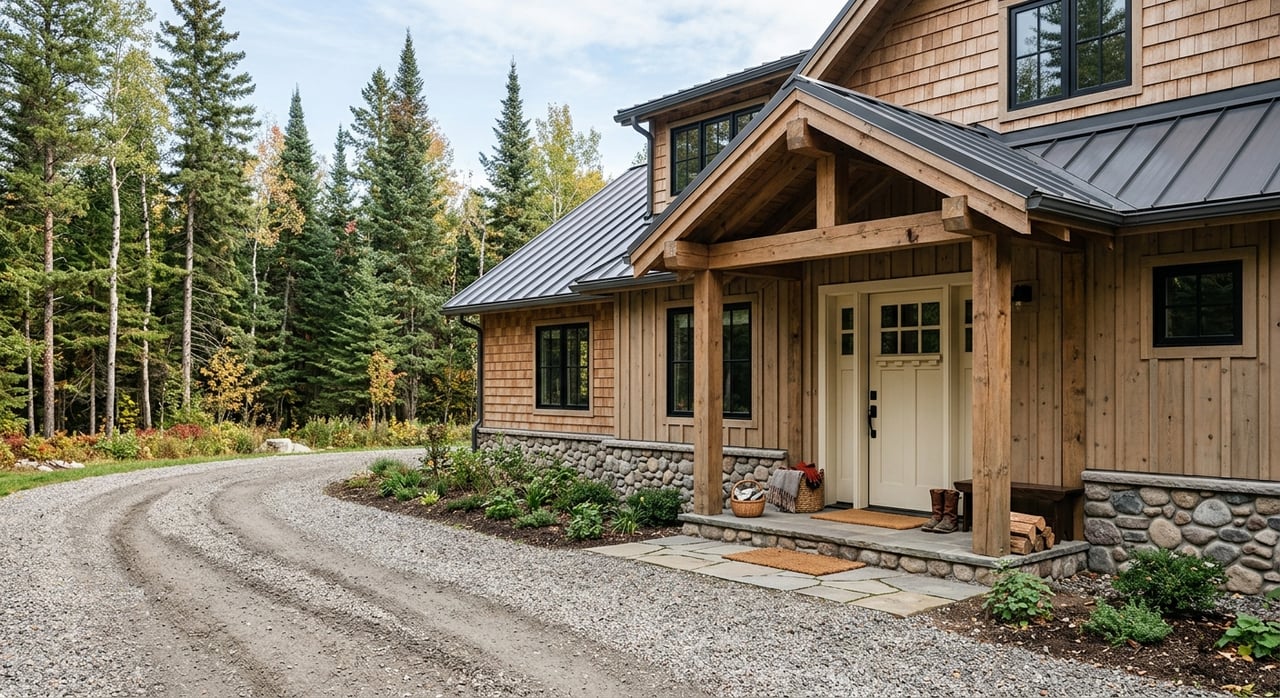
For many buyers, the move is about lifestyle as much as budget. You may want a yard, extra storage, space for hobbies, or easier access to outdoor recreation without giving up the basics of town living.
The district describes 100 Mile House as a South Cariboo service hub that is centrally located between Kamloops and Prince George, about a five-hour drive from Vancouver. That matters if you want a smaller hometown feel while still being connected to a broader regional network.
This can be especially appealing if you work remotely, work hybrid, or do not need a major city around you every day. Local commuting data show that many residents have short trips, and some work from home or have no fixed workplace address, which fits well with flexible work styles.
If you picture only acreages and cabins, 100 Mile House may surprise you. The local housing stock includes a mix of single-detached homes, row houses, semi-detached homes, and smaller apartment buildings, based on the 2021 census profile.
Single-detached houses made up 47.5% of occupied dwellings in 2021, while apartments in buildings under five storeys accounted for 18.2%, row houses 10.5%, and semi-detached homes 7.7%. That gives you options if you want something more compact in town or a property with more breathing room.
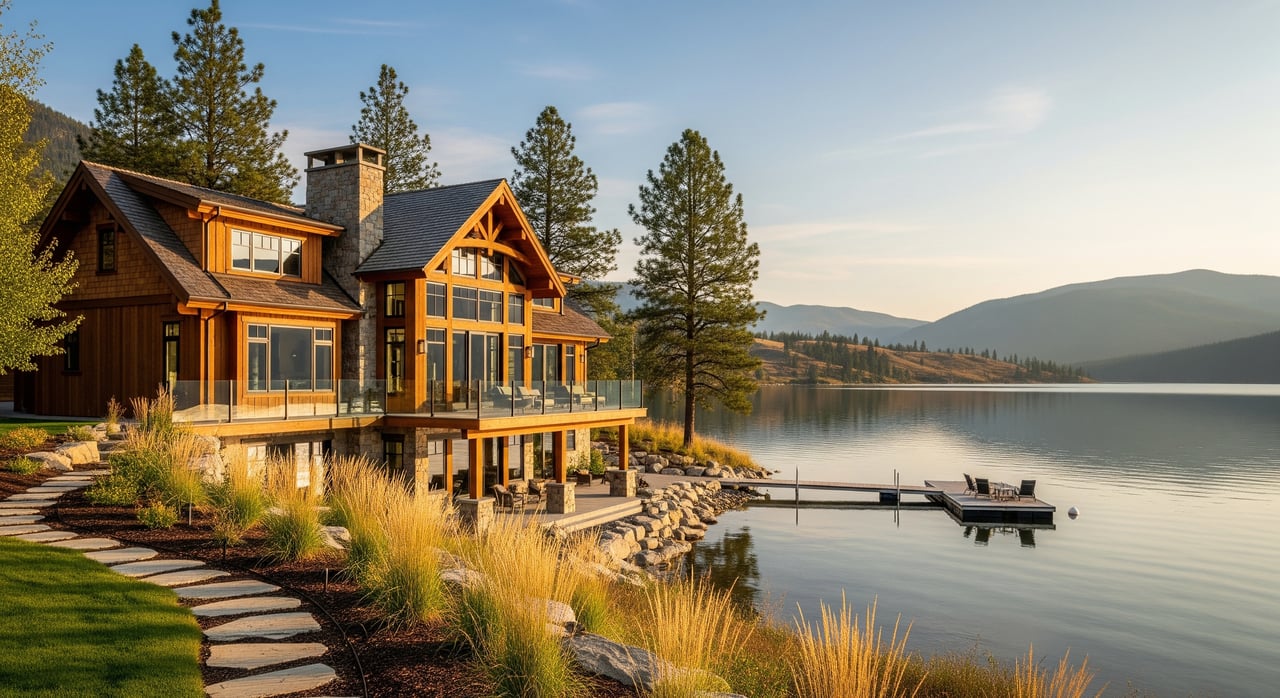
The district also notes that newcomers can choose from settled neighbourhoods, lakefront living, and small rural acreages. For city movers, that means your home search can be tailored around how much land, privacy, and driving you actually want.
One reason many buyers look beyond major urban centres is cost. In 2021, the census reported a median dwelling value of $300,000 in 100 Mile House, along with median monthly shelter costs of $472 for owner households and $790 for renter households, based on Statistics Canada housing data.
Those numbers may look very different from what you are used to in many BC city markets. At the same time, affordability is not automatic for everyone. The same census profile shows that 38.6% of renter households spent 30% or more of income on shelter costs, so it is still important to budget carefully if you plan to rent first.
If you are buying, this is where local guidance matters. Whether you want an in-town home, a lake property, or a small acreage, comparing price to maintenance, lot size, and driving distance can help you choose the right fit for your lifestyle.
One of the biggest shifts from city life is how much property you may have access to. The local zoning bylaw includes everything from smaller residential lots of 360 square metres to country-residential parcels starting at 0.2 hectares, or 2,000 square metres, in certain zones, according to the District of 100 Mile House zoning bylaw.
That range gives you real choice. You can look for a lower-maintenance property in town, or you can prioritize space for a shop, garden, animals, or simply more privacy.
It is smart to think honestly about upkeep before you move. More land can be a major lifestyle benefit, but it may also mean more time spent on maintenance, snow clearing, and travel for errands.
If you are moving from a city, transportation may be one of the biggest adjustments. In 100 Mile House, driving is part of daily life for many residents.
Census commuting data show that 460 of 585 employed residents used a car, truck, or van as their main commuting mode, while only 10 reported public transit as their main option. The same data show that 410 commutes were under 15 minutes, which tells you that while driving is common, many local trips are short.
There is local transit, but it is modest by urban standards. The district’s transit information page explains that weekday local routes are available, along with a Thursday on-request rural transit option and a Health Connections service to Williams Lake and Kamloops that must be booked in advance. Transit does not run on Saturdays, Sundays, or statutory holidays.
For most city movers, that means you should plan around a car-first lifestyle. If you are used to walking everywhere or relying on frequent transit, this is an important expectation shift.
If you are moving with children, it helps to get familiar with school options early. School District 27 states that 100 Mile Elementary is a dual-track K-7 school serving English and French Immersion students, with about 300 students.
Peter Skene Ogden Secondary serves Grades 8 through 12 and enrolls about 500 students. The district also notes that French immersion is available for residents of 100 Mile House and Williams Lake.
If schools are part of your relocation plan, it is worth confirming registration steps and timelines before or soon after your move. That can make the transition smoother and help your household settle in faster.
Health care access is another key part of a relocation decision. Interior Health identifies 100 Mile District General Hospital as an acute care hospital within the South Cariboo Health Centre, offering surgical, inpatient, and emergency services, with 24-hour emergency hours listed on its location page.
For primary care, Interior Health also directs BC residents who need a family doctor or nurse practitioner to the Health Connect Registry. If you are planning a move, joining that registry early may be a practical first step.
For day-to-day support, the 100 Mile House Branch of the Cariboo Regional District Library can also be a helpful anchor. It offers public computers, Wi-Fi, printing, tech support, exam proctoring, and programming, which can be especially useful when you are getting established in a new town.
In a city, entertainment and social options can feel endless. In a smaller centre like 100 Mile House, community life often happens through a more focused set of public spaces, events, and volunteer groups.
The district highlights local organizations such as the Chamber of Commerce, Rotary, Lions, food bank organizations, and other service clubs. These kinds of groups can help newcomers build connections and start feeling at home.
Recreation also plays a big role. The South Cariboo Recreation Centre includes an NHL-sized rink and meeting rooms, while the district’s parks and trails resources point to places like Marsh Trail, the dog park, and community forest areas managed for recreation and public use.
If you are used to big-city convenience, the tradeoff here is different. You may have fewer amenities at your doorstep, but more access to shared community spaces and outdoor recreation close to home.
Moving from the city to 100 Mile House usually goes more smoothly when you plan the basics first. A few early decisions can make a big difference in how settled you feel.
Here is a practical starting checklist:
100 Mile House can be a strong fit if you want a quieter pace, shorter local trips, more housing variety than expected, and easier access to space and outdoor living. It may be especially appealing if you are comfortable driving, open to a smaller-town social rhythm, and interested in a home that supports lifestyle goals beyond simple square footage.
The move may require adjustment if you are deeply tied to frequent transit, dense retail options, or the nonstop activity of a large city. But if your goal is to create more room in your life, not just in your home, 100 Mile House is worth a closer look.
If you are exploring a move to the South Cariboo, Your Cariboo Home Team can help you compare in-town homes, acreages, and lifestyle properties so you can find the right fit for the way you want to live.
With Your Cariboo Home Team, you get more than a transaction. You get local expertise, honest advice, and real people who genuinely care — today, tomorrow, and ten years from now.
Get In Touch With Our Team To Learn More
96 Cariboo Hwy 100 Mile House, British Columbia V0K 2E0, Canada