Thinking about buying a home in 100 Mile House and not sure where to start? You are not alone. Between rural property checks, BC’s cooling‑off rules, and closing costs, the process can feel complicated. This guide breaks it all down in plain language, with local tips for the South Cariboo and a simple timeline and checklist you can follow. Let’s dive in.
Market snapshot: 100 Mile House
As reported in BC Northern Real Estate Board releases through 2024, the 100 Mile House area sees steady activity across single‑family homes, acreages, and recreational parcels, with average prices in the mid hundreds of thousands and multi‑week selling timelines. You can review recent updates on the BCNREB board news releases page.
BC Assessment also updates assessed values each year. While assessments are not the same as market value, they are useful context when you compare list and sold prices. See the North Central BC update in the BC Assessment news releases.
Step-by-step: how buying works in BC
1) Get financially ready and choose your team
Start with a written mortgage pre‑approval. It clarifies your budget, strengthens your offer, and sets realistic timelines. Many buyers compare national lenders with local credit unions for rate holds and approval speed.
Build your team early. You will typically need a local REALTOR, a lender or broker, a real estate lawyer or notary for closing, and a qualified home inspector. Local pros can also help arrange rural tests like well water and septic inspections.
2) Search and view properties
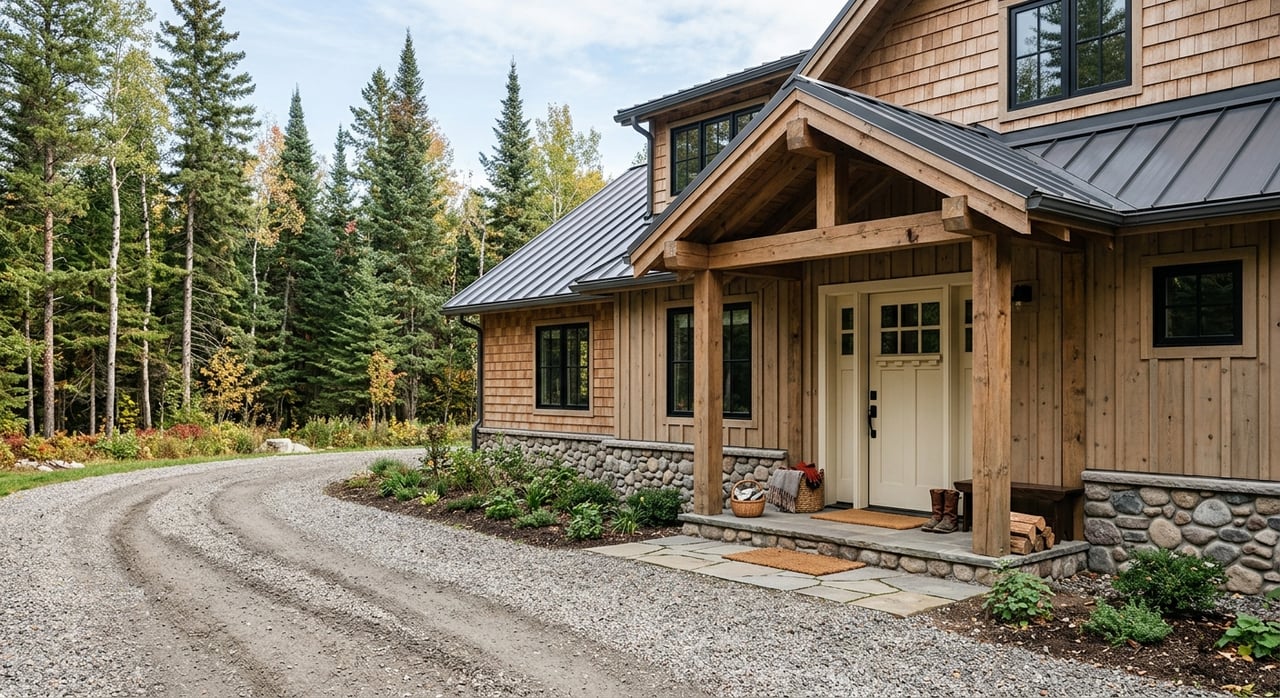
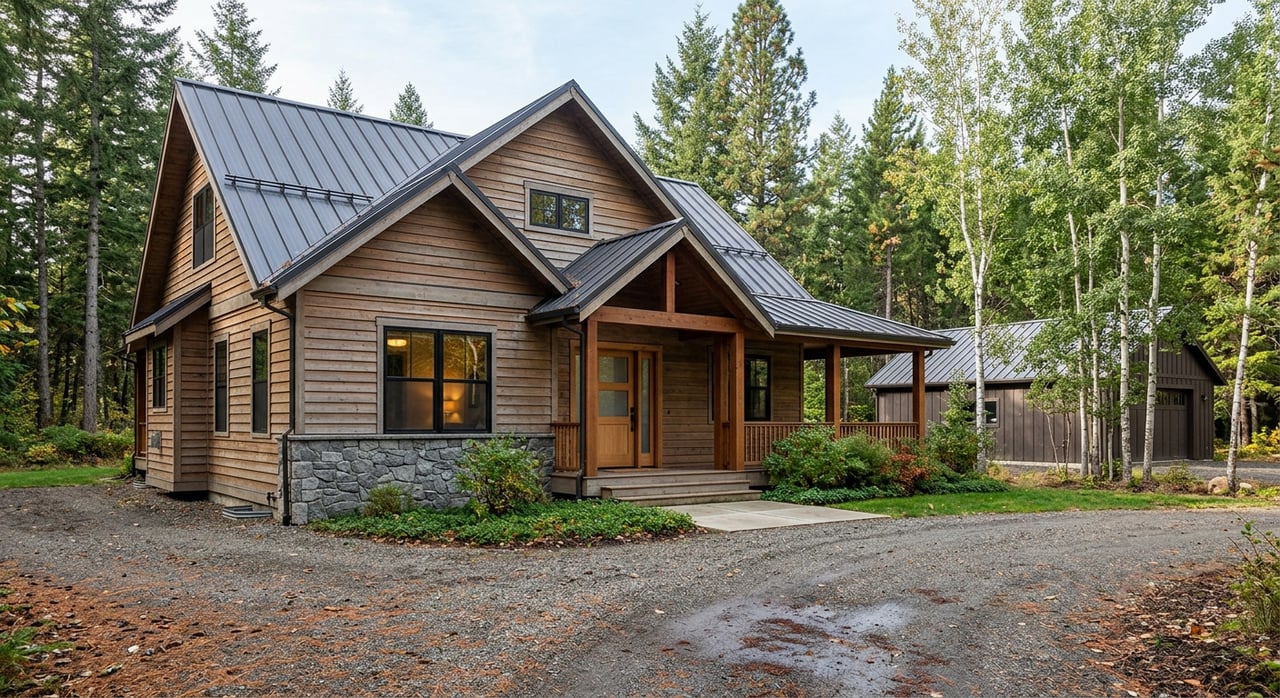
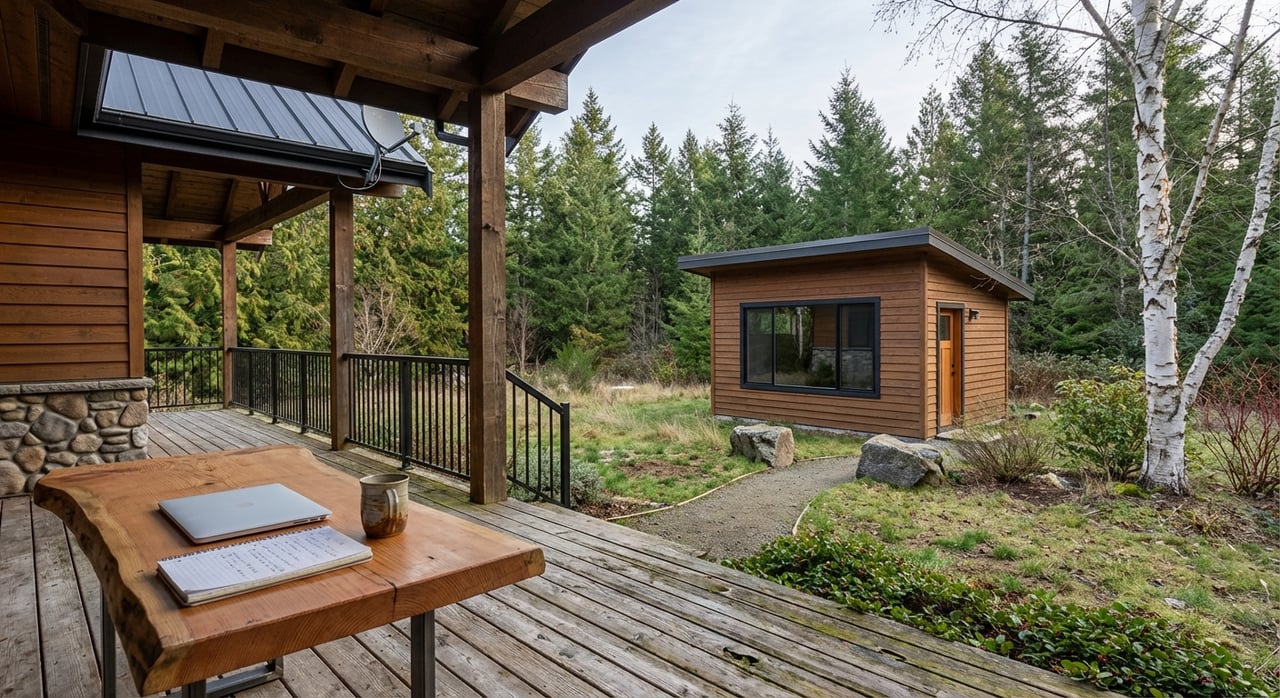
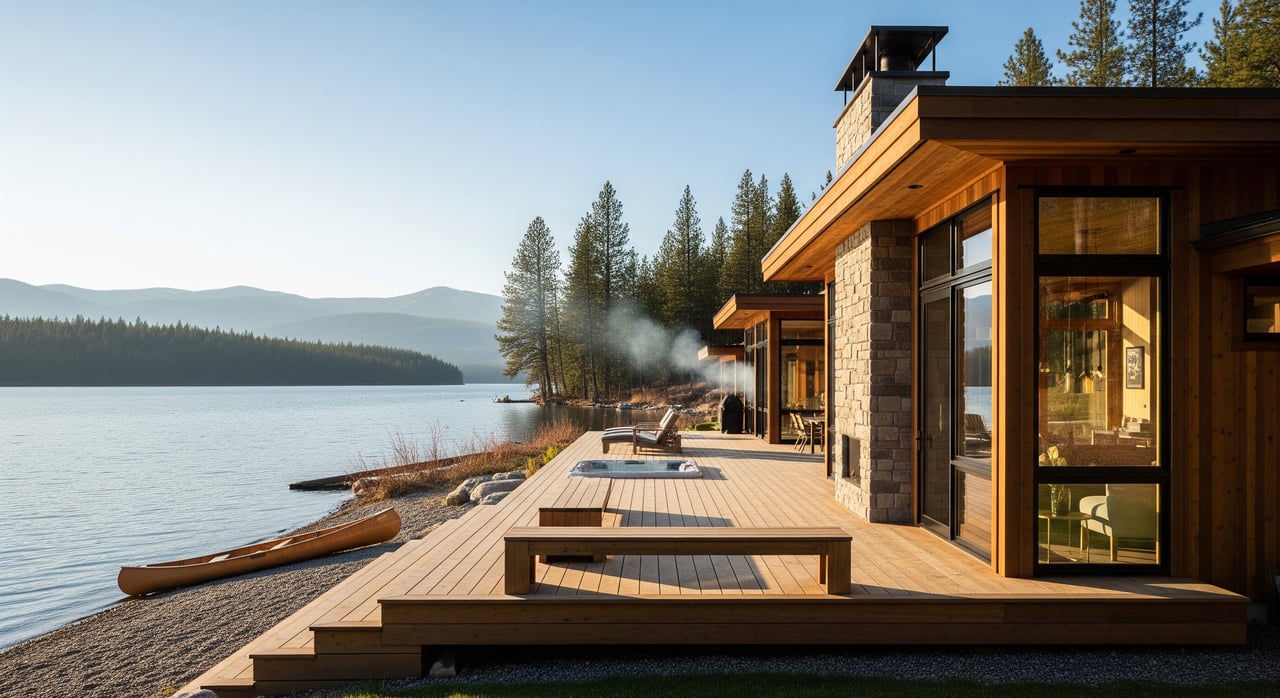
In 100 Mile House you will see a mix of town lots, detached homes, acreage properties, manufactured homes, and seasonal cabins. Ask your agent to flag the property type up front. Inspection needs, carrying costs, and due diligence steps can vary by type.
3) Write an offer with the right protections
Most residential sales use BC’s standard Contract of Purchase and Sale. This sets price, deposit, dates, and any subjects. Deposits are usually held in trust by the brokerage or lawyer until closing.
Understand BC’s Home Buyer Rescission Period. For most residential properties, you have 3 business days after acceptance to rescind for any reason. If you exercise this right, you must pay the seller 0.25% of the purchase price. This right cannot be waived. Read the province’s Home Buyer Rescission Period guide.
Common buyer subjects include:
- Financing approval from your lender
- Professional home inspection by a qualified inspector
- Strata document review, if applicable
- Zoning and use confirmation
- Rural essentials such as well water quantity and quality, and septic condition
Have your agent tailor subject wording to your property and timeline. Ask your lawyer to review anything you do not understand.
4) Do inspections and rural testing
Book your general home inspection with a credentialed pro. Look for a CAHPI inspector and review what is covered, from structure and roofing to electrical and visible plumbing. You can search the CAHPI directory.
If the property is rural or semi‑rural, add these checks:
- Private well testing for potability and, where relevant, mineral content. Interior Health offers public guidance and can answer questions about private water supplies. Learn more from Interior Health’s environmental health team.
- Septic system inspection to confirm type, age, maintenance history, and any permitting. Interior Health and local government have oversight roles for public health questions.
- Oil tank or fuel storage scan, pest evaluation, or electrical assessment if the home is older.
- Radon testing is increasingly common across BC. Many buyers add a radon condition or negotiate testing and mitigation.
5) Confirm title, access, and legal details
Your lawyer or notary will pull a title search and review registered interests such as easements and covenants. If boundaries or access look unclear, a survey may be recommended. The Land Title and Survey Authority manages the land title register and ParcelMap BC. Learn about services on the LTSA site.
Title insurance is often purchased on closing to protect against certain historical title defects or survey discrepancies. Ask your lawyer if it makes sense for your situation.
6) Close, pay taxes, and get keys
Your lawyer coordinates funds, registration, and keys. On possession day, title is registered, funds are released, and you receive access to your new home.
Budget for closing costs. In BC, you pay Property Transfer Tax unless you qualify for an exemption. First‑time buyers and some newly built homes may be exempt within set thresholds. Review current rules on the province’s Property Transfer Tax publications page and confirm your eligibility with your lawyer.
Local checks that matter in the South Cariboo
- Water supply and wells. Confirm flow rate and complete potability testing before removing subjects. Be explicit in your offer about acceptable results and retesting if needed. Interior Health provides guidance for private supplies.
- Septic systems. Identify the system type, age, and maintenance record. Repairs and replacements can be significant, and some work requires permits.
- Legal access and easements. Some rural driveways or shared roads cross other parcels or Crown land. Verify a registered right of access and review any utility or conservation covenants on title. The LTSA outlines land title tools used for these checks.
- Wildfire risk and FireSmart. Ask about any wildfire history, mitigation work, or assessments. The Cariboo Regional District runs local programs and home assessments. Explore the CRD FireSmart program.
- Permits and zoning. Confirm that additions and outbuildings have permits and that the current use matches zoning. You can check records with the District of 100 Mile House.
- Seasonal access and utilities. Discuss winter road maintenance, power reliability, internet and cell coverage, and any off‑grid systems.
Typical timeline from first call to keys
Every purchase is different, but this general flow fits many 100 Mile House transactions:
- Days 0 to 7. Get mortgage pre‑approval, choose your agent, map out search criteria.
- 1 to 6 weeks. View properties and refine your target list. Inventory can vary in smaller markets, so patience pays off.
- Offer to acceptance. Same day to a few days, depending on negotiations.
- After acceptance. BC’s statutory Home Buyer Rescission Period is 3 business days. See the BCFSA guide for details.
- Subject period. Many buyers negotiate 7 to 14 calendar days for financing, inspection, and rural testing. This is common practice but fully negotiable. Confirm feasibility with your lender and inspector availability.
- 1 to 6 weeks before possession. Lender completes approval, your lawyer finalizes documents, and closing funds and Property Transfer Tax are prepared.
- Possession day. The lawyer registers the transfer, funds move, and you receive keys once registration is confirmed.
Ready-to-act checklist for 100 Mile House buyers
- Get a written mortgage pre‑approval and note your rate hold expiry.
- Hire a local REALTOR and discuss the mix of acreages, cabins, manufactured homes, and town properties on your shortlist.
- Include rural protections in your offer: well testing, septic inspection, legal access confirmation, and radon testing if desired.
- Book a CAHPI‑qualified inspector right after acceptance. Use the CAHPI directory.
- Confirm title and encumbrances through your lawyer. See what the LTSA provides for title checks and mapping.
- Check District records for permits, zoning, and property taxes via the District of 100 Mile House.
- Ask about FireSmart work and insurance implications. Review the CRD FireSmart program.
- Budget closing costs. Include legal fees, optional title insurance, and Property Transfer Tax. Review exemptions on the province’s PTT publications page.
Common red flags and negotiation points
- No recent well logs, water tests, or septic service records
- Unpermitted additions or outbuildings discovered in District records
- Evidence of past wildfire impact or vegetation too close to structures
- Title anomalies or shared access without a registered maintenance agreement
Finding the right local team
Interview agents and lenders who work in the South Cariboo and understand acreage and rural systems. Ask inspectors about experience with wells, septic, and outbuildings. Make sure your lawyer is comfortable with LTSA title reviews, easements, and rural conveyancing.
When you are ready to start touring or writing an offer, connect with a team that brings both local know‑how and clear communication. Your Cariboo Home Team is here to help you move from first viewing to keys with confidence.
FAQs
What is the Home Buyer Rescission Period in BC?
- Most residential buyers have 3 business days after offer acceptance to rescind, and must pay the seller 0.25% of the purchase price if they cancel. See the BCFSA guide.
How do well and septic inspections work for rural homes near 100 Mile House?
- Add subjects for well potability and flow, plus a septic inspection and record review, and use Interior Health guidance to understand private systems. Learn more from Interior Health.
What closing costs should I expect in BC beyond my down payment?
- Budget for legal fees, adjustments, optional title insurance, and Property Transfer Tax unless an exemption applies. Review the province’s PTT publications.
Do assessed values match sale prices in 100 Mile House?
- Not exactly. BC Assessment updates values annually for tax purposes, which can differ from market pricing. Check the latest regional update in the BC Assessment news releases.
How long does buying a home in 100 Mile House usually take?
- Many purchases run 30 to 60 days from accepted offer to possession, depending on subject timelines, lender speed, and lawyer scheduling. Your timeline may be shorter or longer based on negotiations and due diligence.