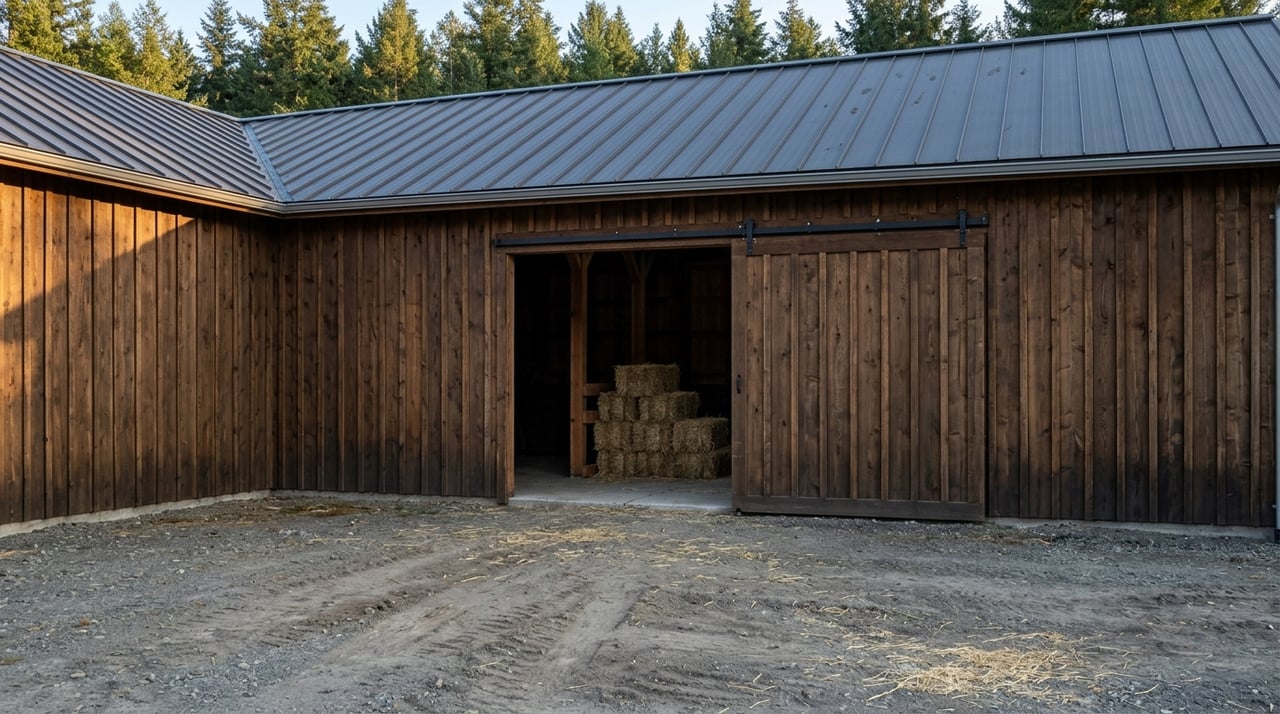
How We Market Rural Listings In 100 Mile House
May 7, 2026
May 7, 2026
Selling a rural property in 100 Mile House takes more than putting a sign on the road and a few photos online. Buyers for acreages, hobby farms, and country homes often come with more questions, more distance, and more caution than a typical in-town buyer. If you are wondering how a rural listing gets noticed and taken seriously, this guide will show you how we approach it and why that matters. Let’s dive in.
In 100 Mile House, the property is often much more than the house itself. The District describes the area as a service hub for a much larger rural market, and local planning feedback highlights the natural beauty, open space, trails, lakes, and farming roots that shape buyer interest here.
That matters because rural buyers are not just shopping for bedrooms and bathrooms. They are also looking at privacy, access, usable land, outbuildings, views, and how the property supports the lifestyle they want. In a market where agriculture remains important and 53.2% of district land is designated agricultural, the land story needs to be front and center.
A good rural listing should reduce uncertainty. Buyers want to know what they are really getting, how the property works, and whether it fits their plans.
Before we market a listing, we focus on practical questions like these:
When a listing answers these questions clearly, buyers can move from casual interest to serious consideration much faster. That clarity also helps support pricing because people are more confident when the information is complete.
Most buyers begin online, and online presentation has a huge influence on which properties they decide to see in person. Recent buyer research found that all buyers used the internet in their search, 51% found the home they bought through an online search, and photos, detailed property information, and floor plans were among the most useful listing features.
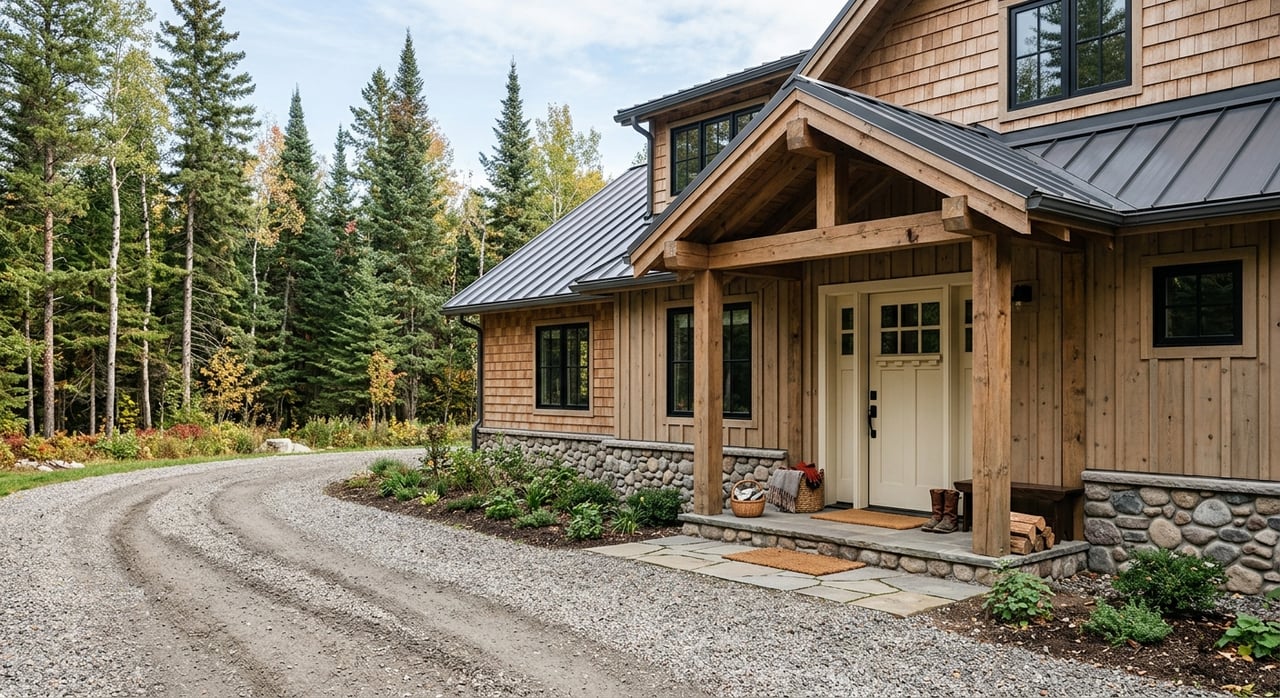
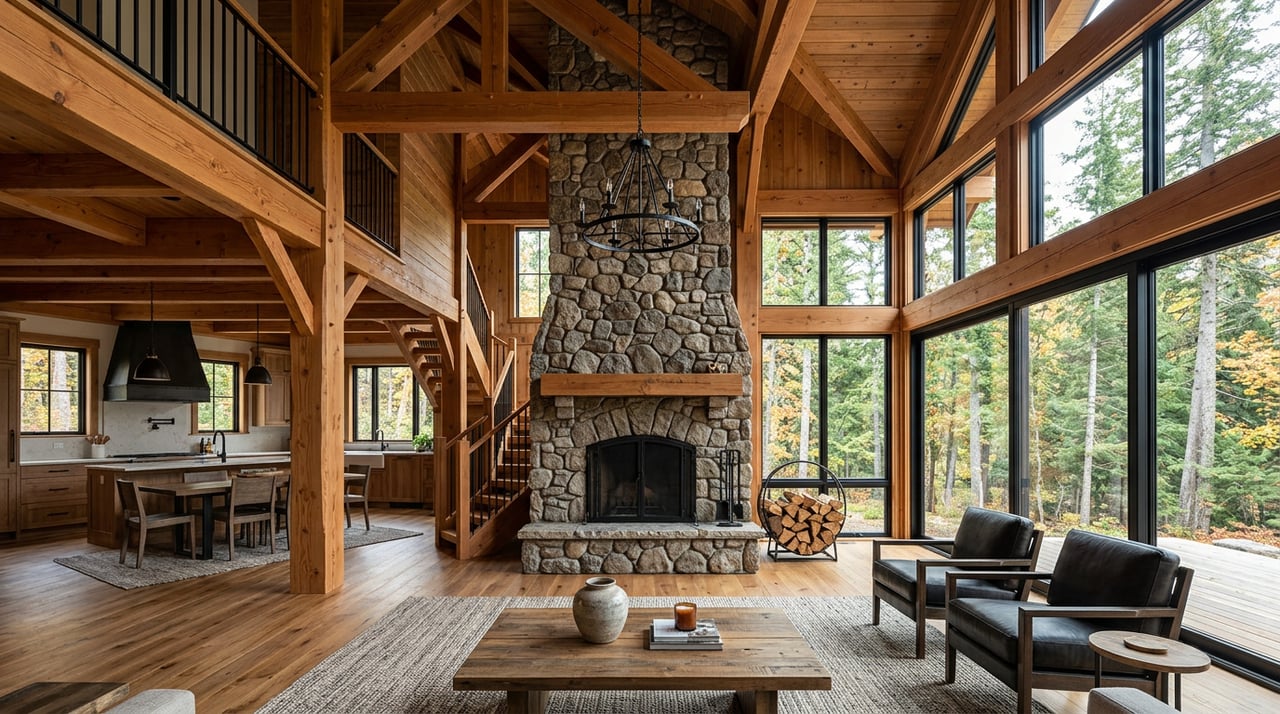
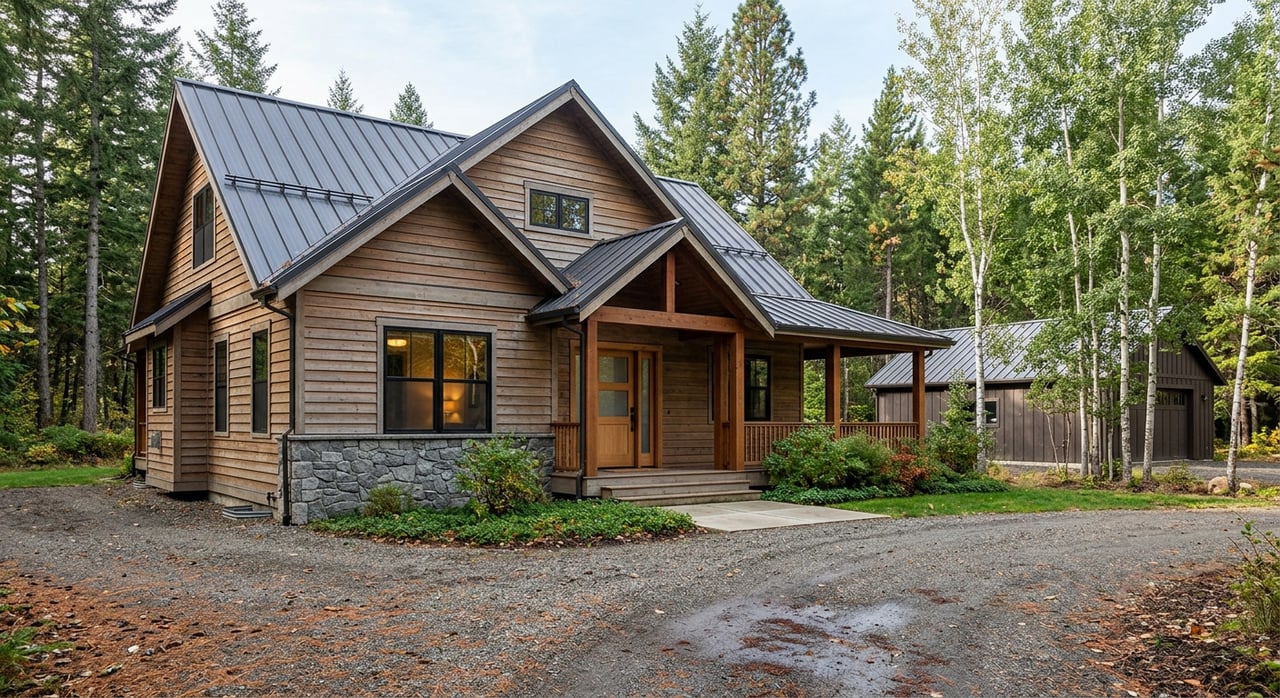
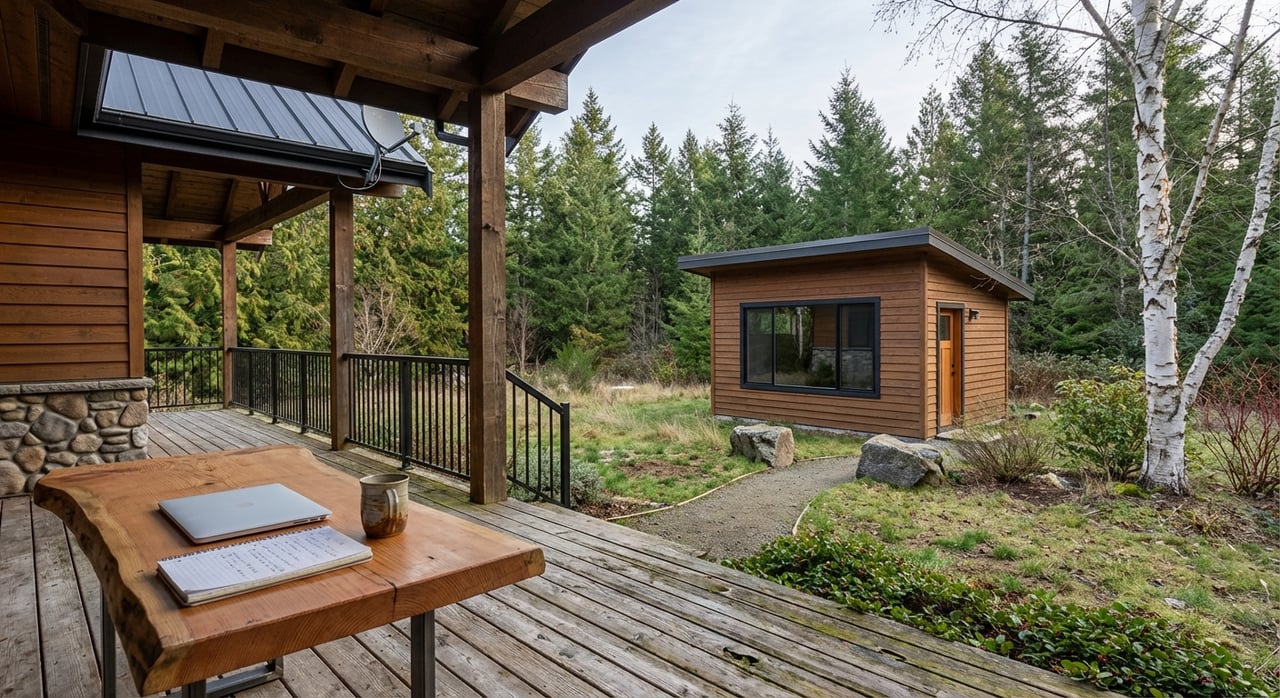
That is why we treat photography as a key part of the strategy, not an afterthought. For rural listings in 100 Mile House, the photo package needs to show both the home and the way the property sits on the land.
For many acreages and hobby farms, buyers want a visual answer to practical questions. They need to see the approach, the layout, and the features that may not be obvious from a standard front exterior shot.
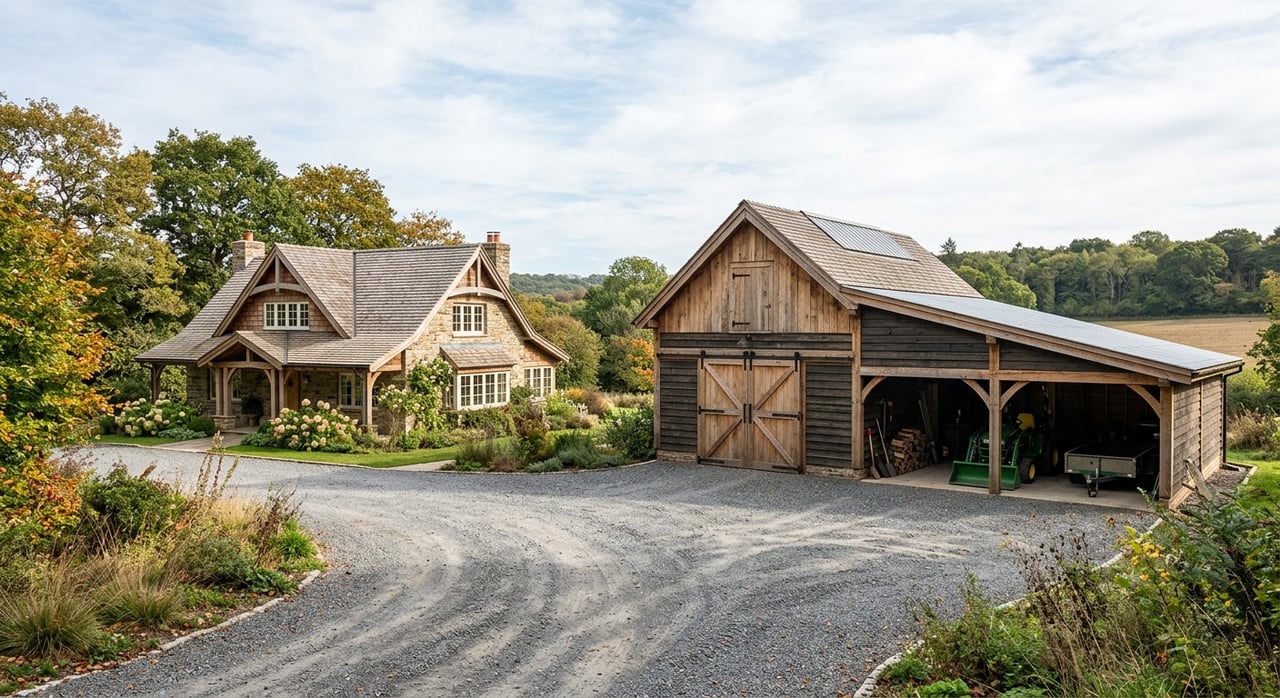
Our rural photo focus often includes:
This kind of photo set helps buyers picture daily life on the property. It also helps out-of-area buyers narrow down whether the listing deserves a trip to 100 Mile House.
Rural homes can be hard to understand from still photos alone. A long driveway, multiple outbuildings, or a unique home layout can leave buyers with more questions than answers if the media is incomplete.
That is why richer digital presentation matters. Industry guidance recommends using photos, video, virtual tours, floor plans, and digital walkthroughs to make online listings more useful and more complete.
100 Mile House attracts people looking for outdoor recreation, privacy, affordability, and a quieter pace. Some buyers are local, but many are comparing South Cariboo properties with other rural areas and may be making decisions from a distance.
Detailed visual marketing helps those buyers feel grounded in the property before they ever step on site. It can also help them understand whether the home, land, and outbuildings fit their needs.
On a town lot, buyers usually understand the shape of the property quickly. On a rural parcel, that is not always the case.
Accurate mapping matters because buyers want to understand boundaries, the position of structures, access routes, and how the land is arranged. For that reason, a site plan or survey is often one of the most helpful pieces of a rural listing package.
In this area, ALR status can shape how buyers view a property. The Agricultural Land Commission says the ALR is a provincial land-use zone that prioritizes agriculture and regulates non-farm uses, and local governments can be more restrictive.
That is why we are careful with listing language. We do not market a property based on second-dwelling, subdivision, or rental potential unless that use is confirmed. Instead, we separate what exists today from what a buyer may want to explore later.
The ALC notes that digital ALR boundaries can differ from the most current property boundaries, and official confirmation may be needed. In practice, that means rural marketing should be specific and responsible.
For sellers, this protects credibility. For buyers, it reduces confusion and helps them make informed decisions based on the real status of the land.
Rural buyers are often choosing a way of life as much as a property. The District’s moving-here information points to the area's appeal for lake living, small acreages, privacy, outdoor recreation, and a quieter pace.
That is why the description of a rural listing should do more than list features. It should help buyers understand how the property may function in everyday life, while staying grounded in facts.
A strong rural description might highlight how the driveway opens onto a private homesite, how fenced areas are arranged, or how outbuildings support storage or animal use. It can also explain how the home relates to nearby services, since 100 Mile House offers Highway 97 access, local services, cell coverage, and high-speed internet.
What matters is balance. Buyers want the feeling of the property, but they also want solid information they can trust.
For rural property, buyers often look beyond beauty and ask about resilience. Local planning work in 100 Mile House identifies wildfire, steep slopes, and unstable soils as development hazards in the broader area.
That means risk-related details should not be ignored. If a property has defensible space, fuel reduction, or strong road access, those facts can help buyers better understand the property and how it has been cared for.
No rural property is helped by vague marketing. Buyers tend to trust listings more when important details are addressed early and clearly.
When we market a rural property, we aim to present the positives while also giving buyers the practical context they need. That creates stronger interest from the right audience and fewer surprises later.
Getting a listing online is important, but strong exposure comes from a broader plan. In Canada, MLS and REALTOR.ca play a central role, and CREA says listing information is sent from MLS to REALTOR.ca, which it describes as Canada’s most popular and trusted real estate platform.
That is the foundation, not the whole strategy. Rural listings usually perform best when the marketing package is built for several places buyers are likely to see it.
A complete rural marketing approach can include:
This matters because many rural buyers are searching by lifestyle, land type, or feature set, not just by street name. The more clearly the property is presented across channels, the better chance it has of reaching the right buyer.
Pricing a rural property is rarely as simple as comparing it to a few nearby sales. Acreage, outbuildings, access, land usability, and unique improvements all affect how buyers interpret value.
Good marketing helps justify the list price because it answers the questions that create hesitation. When buyers can see the layout, understand the structures, review the details, and get a realistic sense of the property, they are more likely to see the value behind the number.
Rural real estate is local in a very real way. What matters on one acreage may be completely different on another just a short drive away.
In 100 Mile House and the wider South Cariboo, local knowledge helps shape everything from the story we tell to the facts we verify. Understanding how buyers think about land, access, recreation, agricultural use, and day-to-day rural living helps us market listings in a way that feels both inviting and accurate.
If you are preparing to sell an acreage, hobby farm, rural home, or specialty property in the area, the goal is simple: present the property clearly, honestly, and beautifully so the right buyer can recognize its value. When you are ready to talk through your next move, connect with Your Cariboo Home Team. Let’s find your Cariboo home.
With Your Cariboo Home Team, you get more than a transaction. You get local expertise, honest advice, and real people who genuinely care — today, tomorrow, and ten years from now.
Get In Touch With Our Team To Learn More
96 Cariboo Hwy 100 Mile House, British Columbia V0K 2E0, Canada